



Fine Seed Cleaning and Grading with the ADDAMS Optimum Series
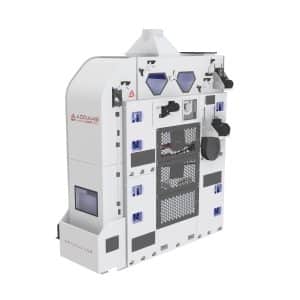
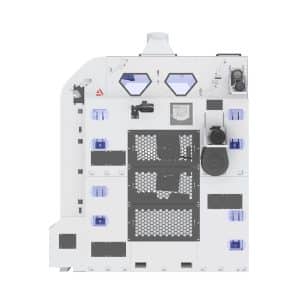
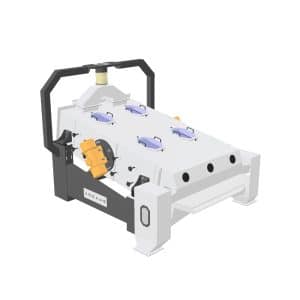
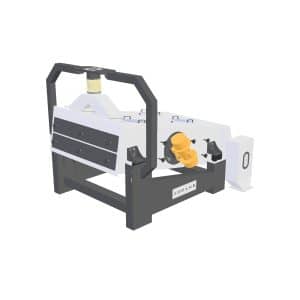
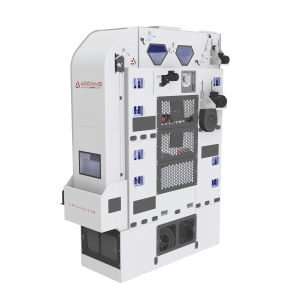
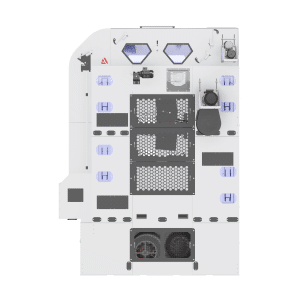
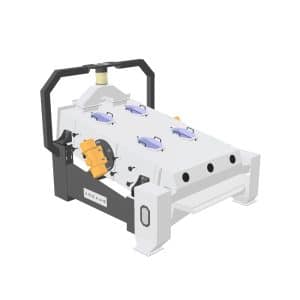
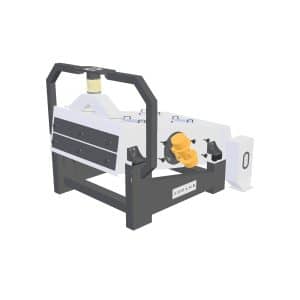
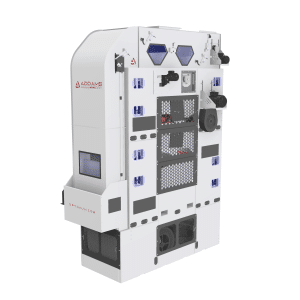
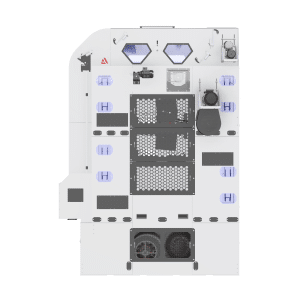
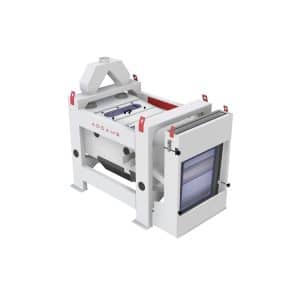
The Optimum Fine Cleaner combines screening and aspiration for cleaning and grading dry seed and grain lots. Define the incoming crop, contamination, required grading fractions and throughput before selecting screens and air settings. Evaluate usable recovery and seed damage with representative samples rather than assuming a fixed cleaning percentage for every product.
Where Fine Cleaning Fits in the Line
Use the air screen separation process guide to plan screening and aspiration. Where the lot requires further separation, compare Gravity Separator with the density separation guide and Optical Color Sorter with the optical sorter separation guide. Each stage addresses a different separation objective and should be selected from the material and finished-product specification.
Explore wheat processing, sunflower seed processing and tomato seed cleaning for application context. A proposed application needs sample evaluation and an agreed acceptance test.
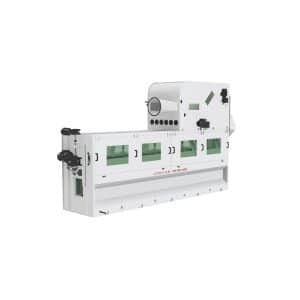
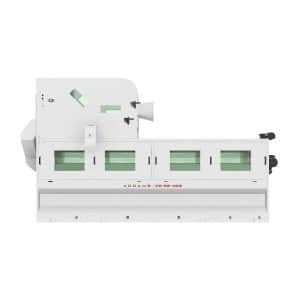
OPTIMUM 218 Published Technical Reference
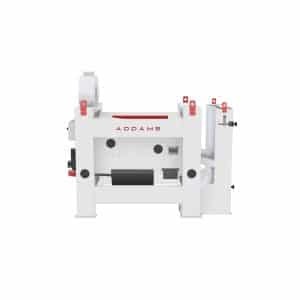
The following reference values are for the OPTIMUM 218 model in the OPTIMUM 218 Fine Seed Cleaner datasheet. Confirm the model, options and current project specification before ordering.
| Parameter | Published OPTIMUM 218 value |
|---|---|
| Total screen area | 24 m² |
| Screen size and quantity | 1,250 × 800 mm; 24 screens |
| Overall dimensions | 3,800 × 1,990 × 3,650 mm (length × width × height) |
| Empty weight | 4,300 kg |
| Shaker feeder motor | 0.75 kW |
| Screen motor | 3 kW |
| Aspiration volume | 14,000 m³/h |
The datasheet notes that capacity varies with impurity and moisture content. Aspiration, dust handling, electrical supply, supporting structure and access for cleaning should be reviewed for the actual installation. Applicable conformity documentation and optional features should be confirmed for the supplied machine.
Frequently Asked Questions — Fine Seed Cleaners
How does a fine cleaner differ from a pre-cleaner?
Pre-cleaning addresses the initial removal of coarse and light unwanted material. Fine cleaning uses selected screens and aspiration settings to meet a more defined cleaning or grading requirement. Choose the sequence according to the incoming lot and required finished grade.
Can every damaged seed be removed?
No universal removal rate should be assumed. Separation depends on whether unwanted material differs sufficiently in size or air response from the accepted seed. Other separation stages may be required; seed-health and germination criteria need separate tests.
What determines the required capacity?
The crop, moisture, contamination, screen arrangement, feed rate and accepted product-quality target influence the suitable duty. Define capacity against an agreed material condition and acceptance test.
Does screen cleaning eliminate maintenance?
No. Screen condition, wear, cleaning access and inspection intervals remain part of operation. Agree the maintenance schedule for the model and material being processed.
Can the cleaner be added to an existing plant?
Review feed and discharge heights, conveyors, aspiration, available footprint, electrical supply and controls before agreeing the interface. The conveying guide and control & automation guide help structure the integration brief.
What information should I send for a quote?
Provide the crop and lot condition, representative sample, target grade, capacity, site layout, utilities and destination requirements through the ADDAMS contact page. Request the current datasheet and project-specific technical proposal.


Reviews
There are no reviews yet.