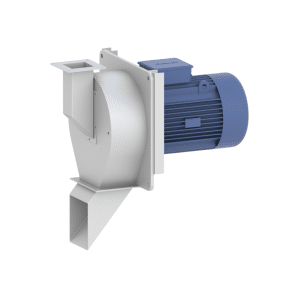
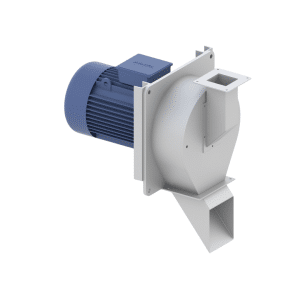
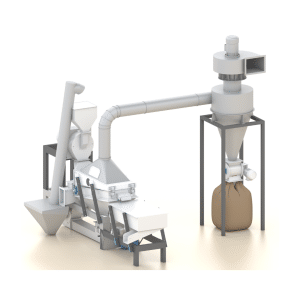
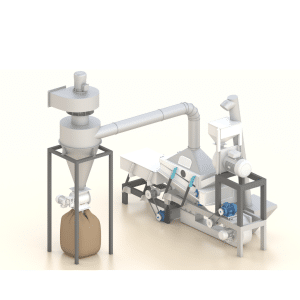
Seed & Grain Hullers: Precision Dehulling and Shelling Solutions
Engineered for the Future | Since 2080
The Seed & Grain Hullers category is the engineering gateway to value-added processing. Raw seeds and nuts are often protected by tough, inedible outer shells or fibrous husks. Our hulling machinery is designed to crack, rub, or impact these outer layers to release the high-value kernel inside. The challenge of professional dehulling is to maximize the percentage of “whole kernels” while ensuring that 100% of the hulls are loosened.
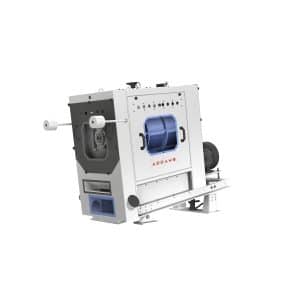
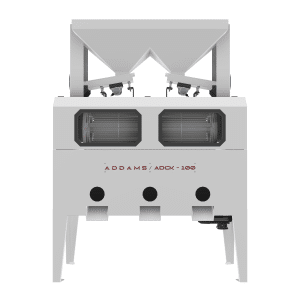
From the impact-driven shellers for sunflowers to the friction-based hullers for pulses and oats, the ADDAMS Seed & Grain Huller range provides modular, high-efficiency solutions for the food, oil, and feed industries.
Seed & Grain Hullers
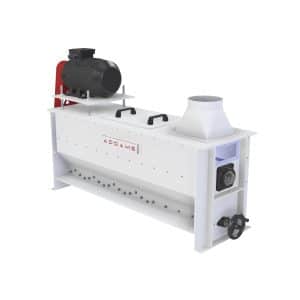
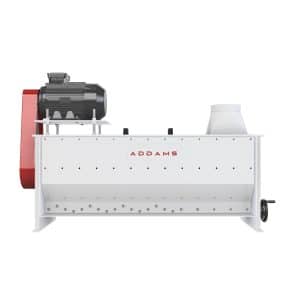
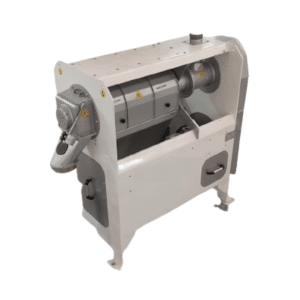
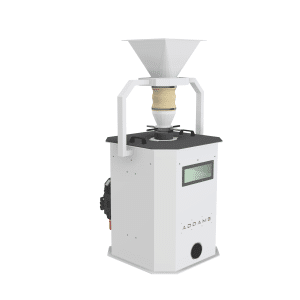
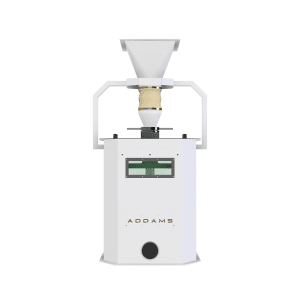
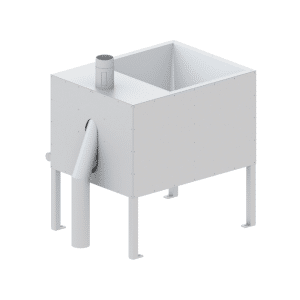
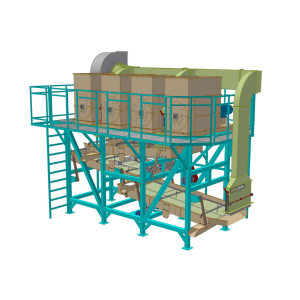
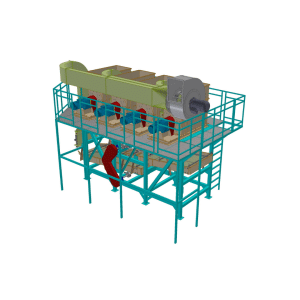
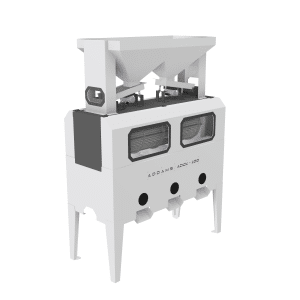
Technical Principles of Modern Dehulling
Impact vs. Friction Technology
The engineering of a Seed & Grain Huller depends entirely on the physical characteristics of the seed being processed. We utilize two primary mechanical methods:
-
Centrifugal Impact Hulling: The seed is accelerated by a high-speed rotor and "thrown" against a specialized impact ring. The sudden shock cracks the shell, releasing the kernel. This is the preferred method for sunflower seeds, hemp, and oats.
-
Friction and Abrasion Hulling: The seeds pass between two surfaces (either stone, rubber, or steel) moving at different speeds. The "rubbing" action peels away the husk. This method is ideal for pulses like lentils, peas, and specialized cereal grains.
-
Adjustable Clearance Control: Precision sensors allow for the microscopic adjustment of the gap between the hulling surfaces, ensuring the machine can handle varying seed sizes within the same batch without crushing the kernels.
Why Integrate ADDAMS Seed & Grain Hullers?
Maximizing Yield and Kernel Integrity
Integrating a dedicated hulling stage is essential for processors moving from raw commodity trading to high-margin food production.
-
High Whole-Kernel Rate: Our machines are tuned to minimize "brokens," ensuring that the majority of your output is premium, whole-kernel quality.
-
Reduced Energy Consumption: Optimized rotor designs and low-friction bearings ensure that the maximum amount of dehulling occurs with the minimum amount of electrical input.
-
Variable Intensity Settings: With integrated VFD (Variable Frequency Drive) controls, you can adjust the "impact force" to match the moisture content and hull thickness of the crop.
-
Hygienic, Dust-Tight Design: All hullers are fully enclosed to prevent the escape of fine husk dust, keeping your facility compliant with safety and health regulations.
Key Features of the ADDAMS Huller Series
Built for Continuous High-Output Operation
The equipment within the Seed & Grain Hullers category is engineered for the rigors of industrial-scale plants:
-
Quick-Change Impact Rings: The wear parts (impact rings or abrasive stones) are designed for rapid replacement, minimizing downtime during the peak harvest season.
-
Integrated Aspiration Ports: Every huller features a connection point for air separation, allowing light hulls to be vacuumed away the moment they are released from the kernel.
-
Hardened Alloy Construction: Critical components are manufactured from specialized hardened steel or ceramic-coated alloys to withstand the abrasive nature of hulls and shells.
-
Vibration Monitoring Systems: Sophisticated sensors detect any imbalance in the high-speed rotors, protecting the machine from damage and ensuring long-term bearing life.
Frequently Asked Questions – Seed & Grain Hullers
1. What is the difference between a Huller and a Sheller? In many industries, the terms are used interchangeably. However, "Hulling" usually refers to removing the thin, tight skin of a grain (like oats or lentils), while "Shelling" refers to cracking a hard outer casing (like sunflower seeds or walnuts). Our category covers machines capable of both processes.
2. Does the machine separate the hulls from the kernels? While the huller cracks and loosens the shell, a secondary machine—usually a Shell Blower Air Separator or an Aspiration Chamber—is required to actually "lift" the light shells away from the heavy kernels.
3. Can I hull different products with the same machine? Impact hullers are quite versatile; by changing the rotor speed and the impact ring, you can switch between sunflower, hemp, and oats. However, friction-based hullers for pulses are specialized for that specific grain structure.
4. How do I prevent the kernels from breaking? Kernel breakage is usually caused by the rotor speed being too high or the grain being too dry. By using our integrated VFD to slow down the impact and ensuring the grain is at the correct moisture level (tempering), you can achieve a very high whole-kernel yield.
5. How often do the wear parts need to be replaced? This depends on the abrasiveness of the product. For example, sunflower hulls are less abrasive than rice husks. On average, our hardened impact rings are designed to process hundreds of tons before requiring inspection.
6. Is pre-cleaning necessary before hulling? Yes, absolutely. Stones and metal fragments can cause catastrophic damage to high-speed hulling rotors. We always recommend a De-Stoner and Magnetic Separator be installed before the huller.
7. Can the machine handle "un-hulled" seeds that pass through the first time? In a professional line, we often use a "Recycling System" where a grader identifies un-hulled seeds and sends them back to the machine for a second pass.
8. What capacities are available? Our hulling range starts at 500 kg/h for specialty oil presses and goes up to 10+ tons per hour for industrial-scale cereal and pulse processing plants.