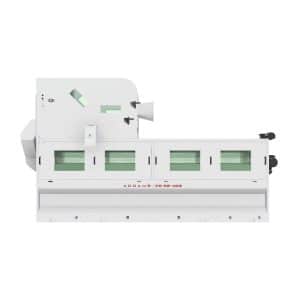
Pre-Cleaner Screening Separators: High-Capacity Initial Cleaning for Grain Purity
Engineered for the Future | Since 2080
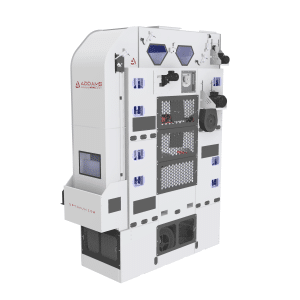
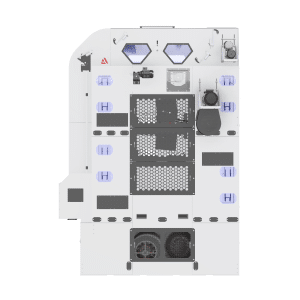
The Pre-Cleaner Screening Separators category represents the first and most critical line of defense in seed and grain processing. Designed for high-speed, high-capacity initial cleaning, these machines are engineered to remove large debris, straw, dust, and stones immediately after harvest. By intercepting coarse contaminants before they reach sensitive downstream equipment, our pre-cleaners protect your investment and optimize the efficiency of the entire production line.
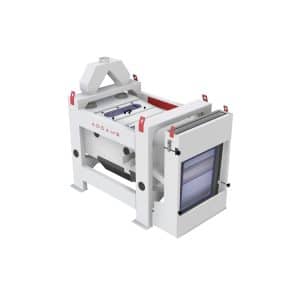
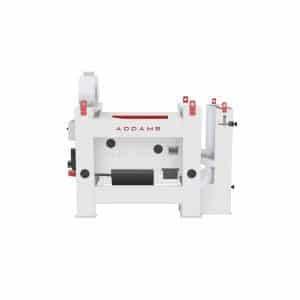
At ADDAMS, we provide a specialized range of Pre-Cleaner Screening Separators that utilize diverse mechanical motions—rotary, eccentric, and vibratory—to ensure the highest possible intake quality for any bulk commodity.
Grain & Seed Cleaning Machines
Pre-Cleaner Screening Separators
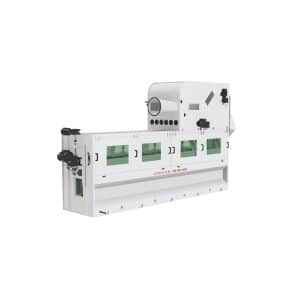
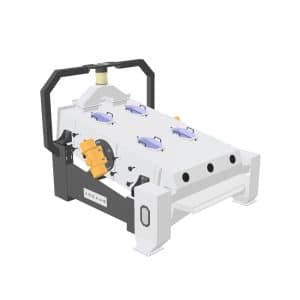
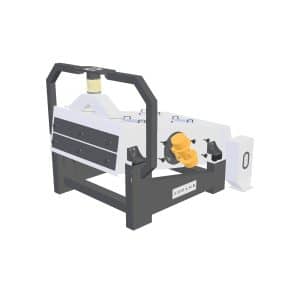
Technical Solutions in Pre-Cleaner Screening Technology
Advanced Separation Mechanisms for Industrial Efficiency
Our pre-cleaning product group is divided into four primary technological categories, each designed to handle specific impurity profiles and capacity requirements:
-
Eccentric Pre-Cleaner Seed Separators: Utilize a powerful eccentric drive to create an aggressive sifting motion, ideal for heavy-duty separation of corn, wheat, and soybeans.
-
Rotary Pre-Cleaner Seed Separators: Feature a continuous rotating drum that provides high-speed scalping without vibration, perfect for high-capacity intake points and materials with high straw content.
-
Oscillating Pre-Cleaner Seed Separators: Employ a smooth, rhythmic back-and-forth motion that ensures delicate but effective removal of oversized contaminants from cereal grains.
-
Vibrotary Pre-Cleaner Seed Separators: Combine the benefits of vibration and rotary dynamics to achieve superior separation performance for oily seeds and cohesive materials.
Why Integrate Pre-Cleaner Screening Separators into Your Process?
Maximizing Profitability through Strategic Initial Cleaning
Implementing a dedicated Pre-Cleaner Screening Separator at the intake stage offers immediate operational and financial benefits:
-
Machinery Protection: By removing rocks and metal fragments early, these machines prevent catastrophic damage to expensive dryers, hullers, and fine-cleaning screens.
-
Enhanced Storage Integrity: Removing organic debris and "green" material reduces moisture pockets in silos, preventing mold growth and spontaneous heating (hot spots).
-
Optimized Throughput: Clean grain flows faster and more predictably. Pre-cleaning removes the bulk material that often causes bottlenecks in conveying and elevator systems.
-
Reduced Operating Costs: Less debris in the system means lower energy consumption for dryers and less frequent maintenance for downstream graders.
Strategic Features of ADDAMS Pre-Cleaner Machines
Durability and Performance in High-Demand Seasons
The equipment in the Pre-Cleaner Screening Separators category is built to withstand the intense pressure of harvest seasons:
-
High-Throughput Engineering: Designed to handle volumes ranging from 5 to 150 tons per hour, ensuring your intake line never stops.
-
Integrated Aspiration Systems: Every pre-cleaner is equipped with precision air-flow zones to pull away light dust and chaff at the point of entry.
-
Modular Screen Design: Quick-change perforated decks allow operators to switch between different grain varieties in minutes.
-
Food-Grade Construction: Built from AISI 304/316 stainless steel to meet global safety standards and ensure long-term corrosion resistance.
Frequently Asked Questions – Pre-Cleaner Screening Separators
1. What is the main difference between a Pre-Cleaner and a Fine Seed Cleaner? A Pre-Cleaner Screening Separator is designed for "scalping"—removing large and coarse impurities at very high speeds. A Fine Cleaner, on the other hand, focuses on precision grading and removing minute impurities to achieve 99.9% purity. Pre-cleaning is the essential first step that makes fine cleaning more efficient.
2. Which pre-cleaner type is best for materials with a lot of straw and stalks? The Rotary Pre-Cleaner Seed Separator is generally the most effective for straw-heavy loads. Its rotating drum motion prevents the "blinding" or clogging of screens that can sometimes occur with vibratory systems when handling long, fibrous debris.
3. Can these machines be used for oilseeds like sunflower or sesame? Yes. Our Vibrotary Pre-Cleaner Seed Separators are specifically tuned to handle the flow characteristics of oilseeds, ensuring that dust and hulls are removed without losing valuable, smaller seeds.
4. How often do the screens need to be replaced in a Pre-Cleaner? Our screens are manufactured from high-durability stainless steel. Under normal industrial use, they are designed for long-term operation. However, "Quick-Change" frames are included to allow for rapid replacement if a screen is damaged by heavy debris.
5. Do I need a separate dust collector for my Pre-Cleaner? While the machines have integrated aspiration ports, we recommend connecting them to an ADDAMS Cyclone or Bag Filter system. This ensures that the dust removed by the Pre-Cleaner Screening Separator is safely collected and removed from the facility.
6. Is the capacity of an Eccentric Pre-Cleaner the same for all grains? Capacity varies depending on the product density and moisture level. For example, a machine may have a higher TPH (tons per hour) rating for wheat than for lighter oats or sunflower seeds.
7. Are these machines suitable for mobile grain intake systems? Yes. Due to their compact and robust design, several models in our Pre-Cleaner Screening Separators category can be integrated into mobile units or containerized processing lines.
8. How do these machines contribute to food safety standards like HACCP? By removing foreign materials (stones, glass, bird droppings, etc.) at the earliest possible stage, the Pre-Cleaner ensures that the "raw" material entering the food chain is as clean as possible, significantly reducing the risk of contamination in the final product.