

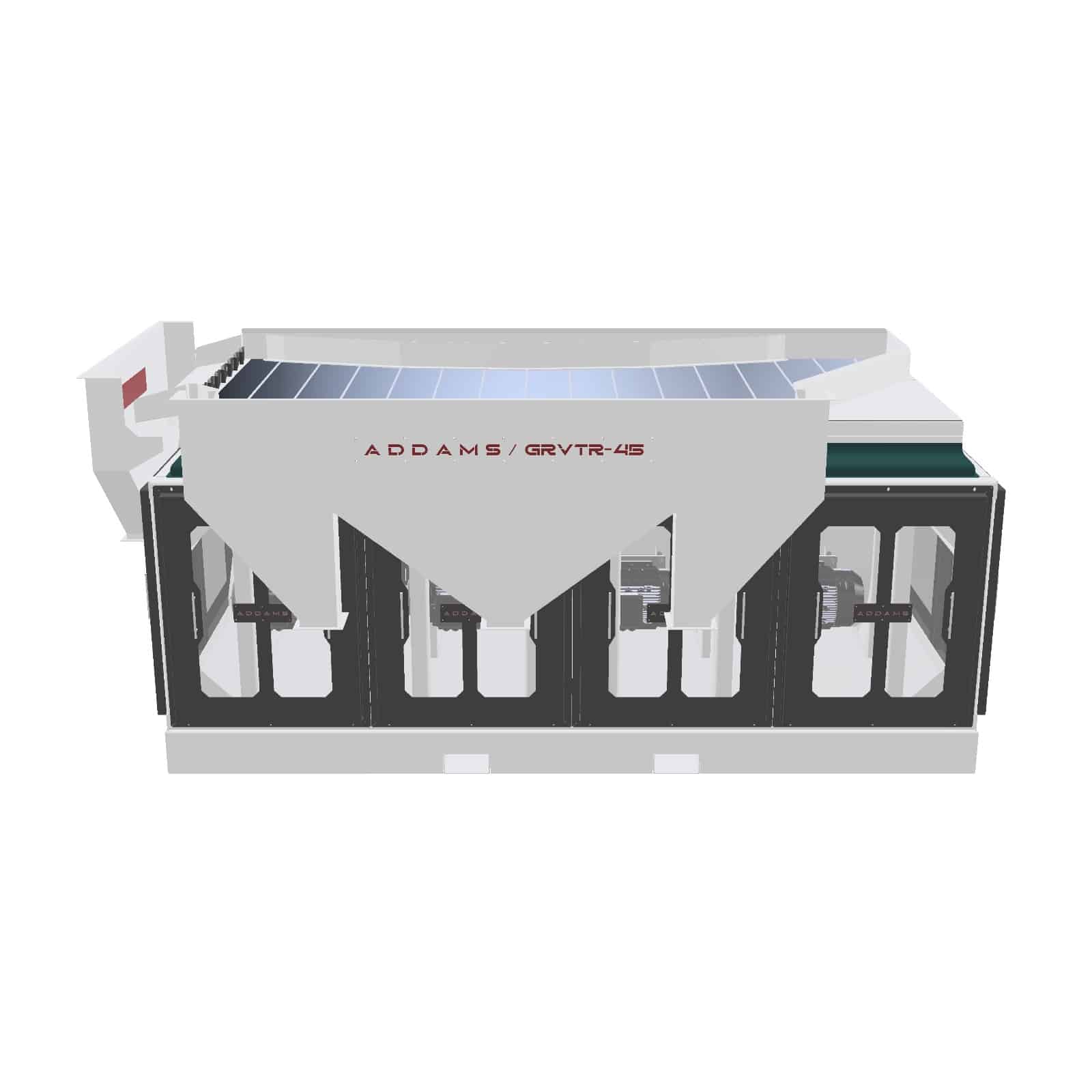
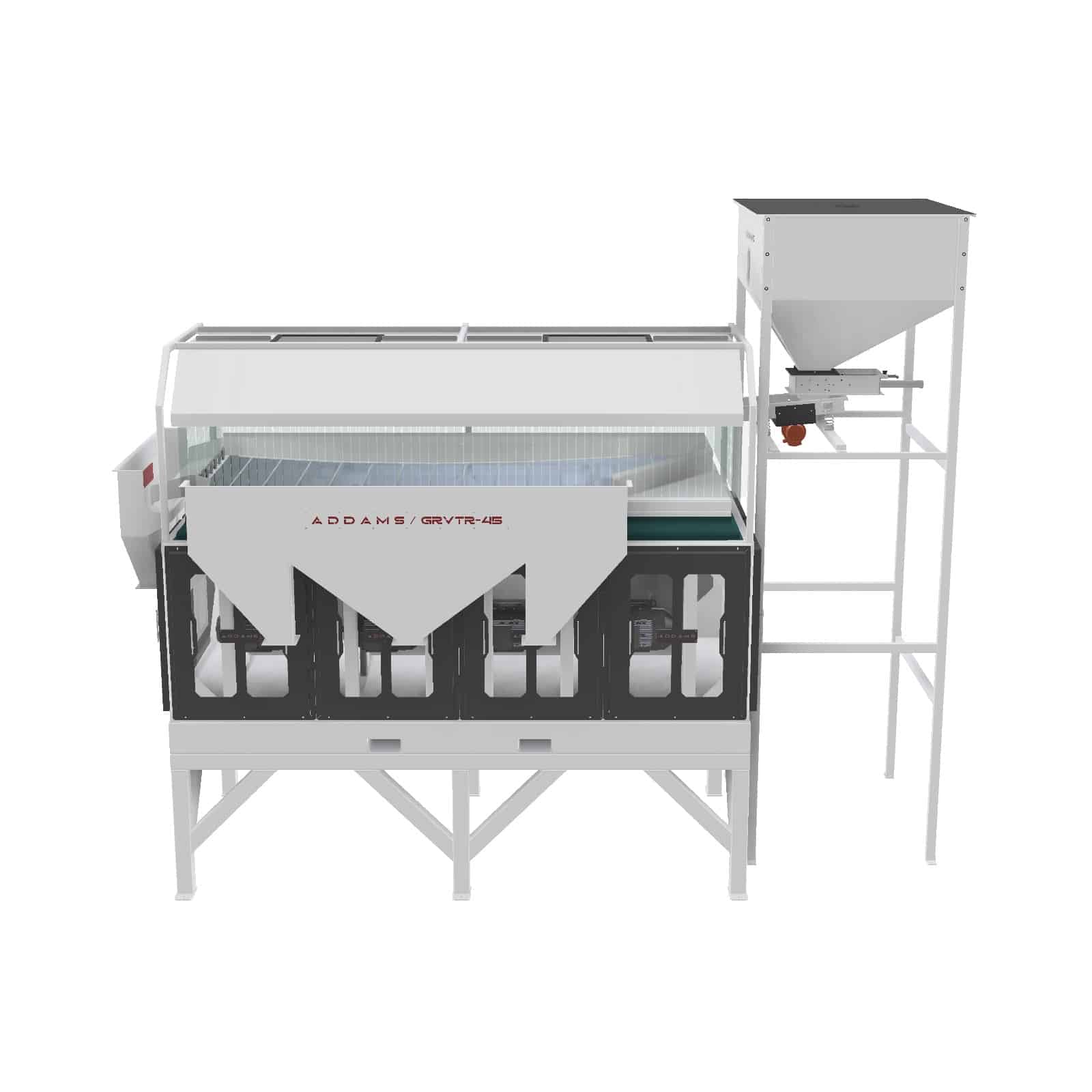
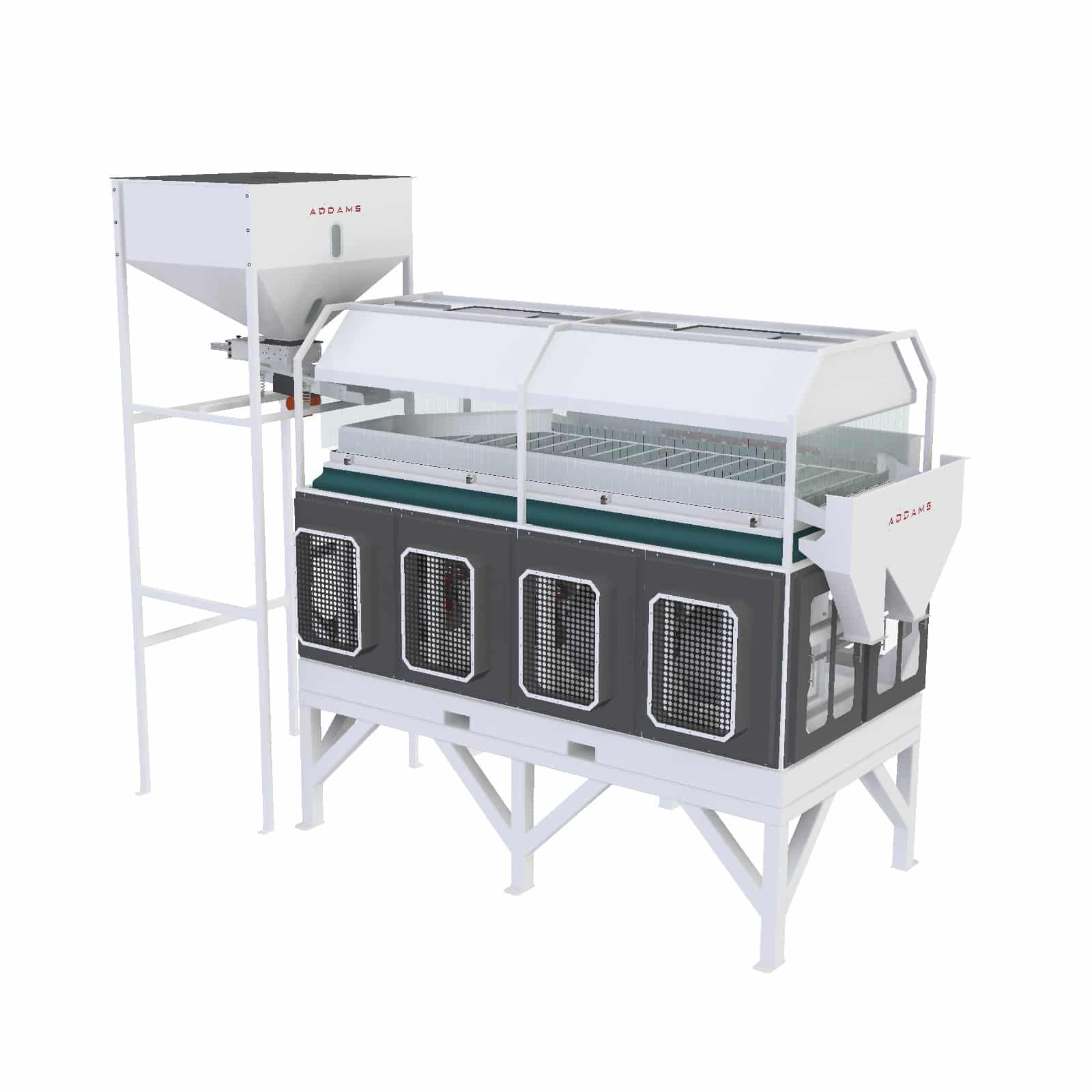
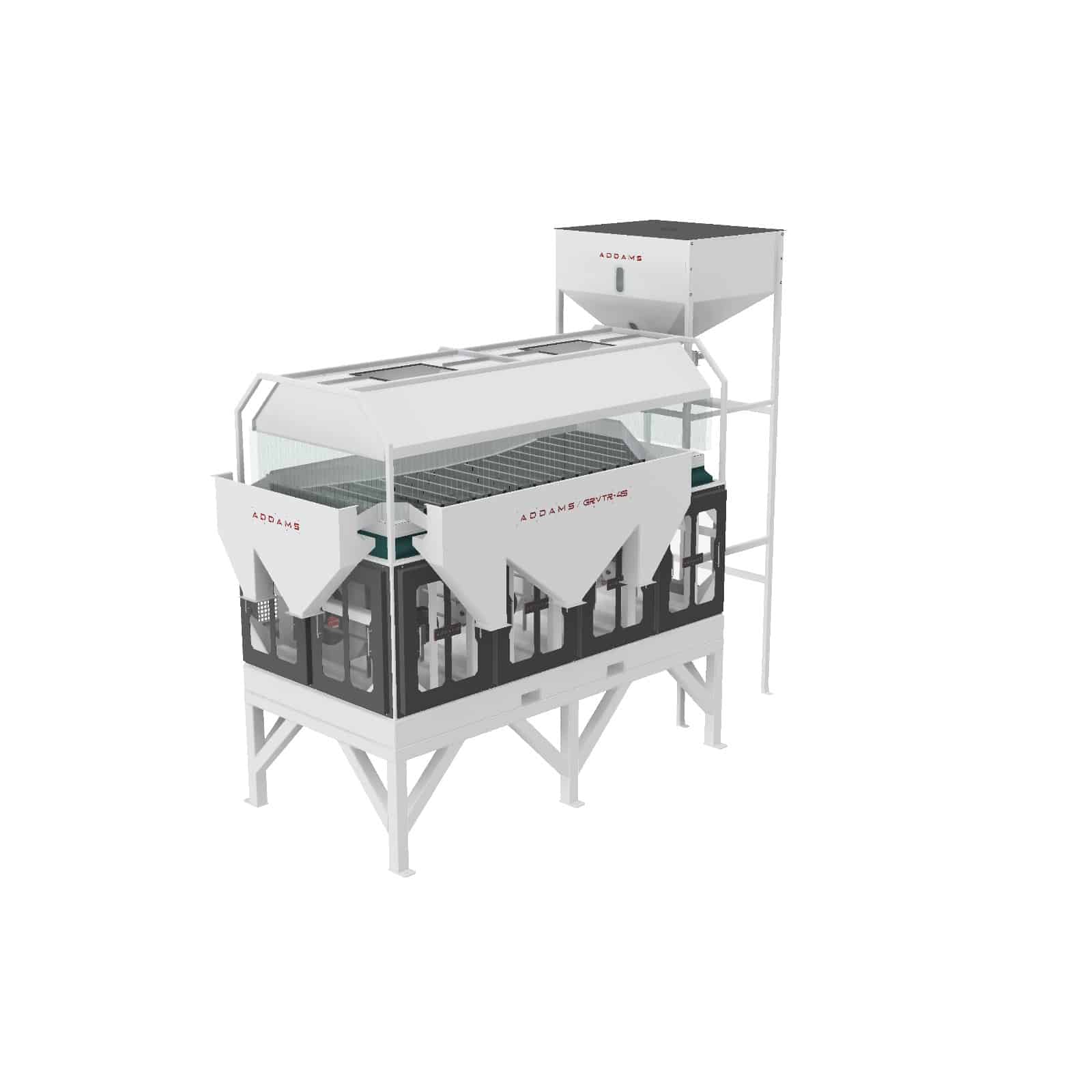
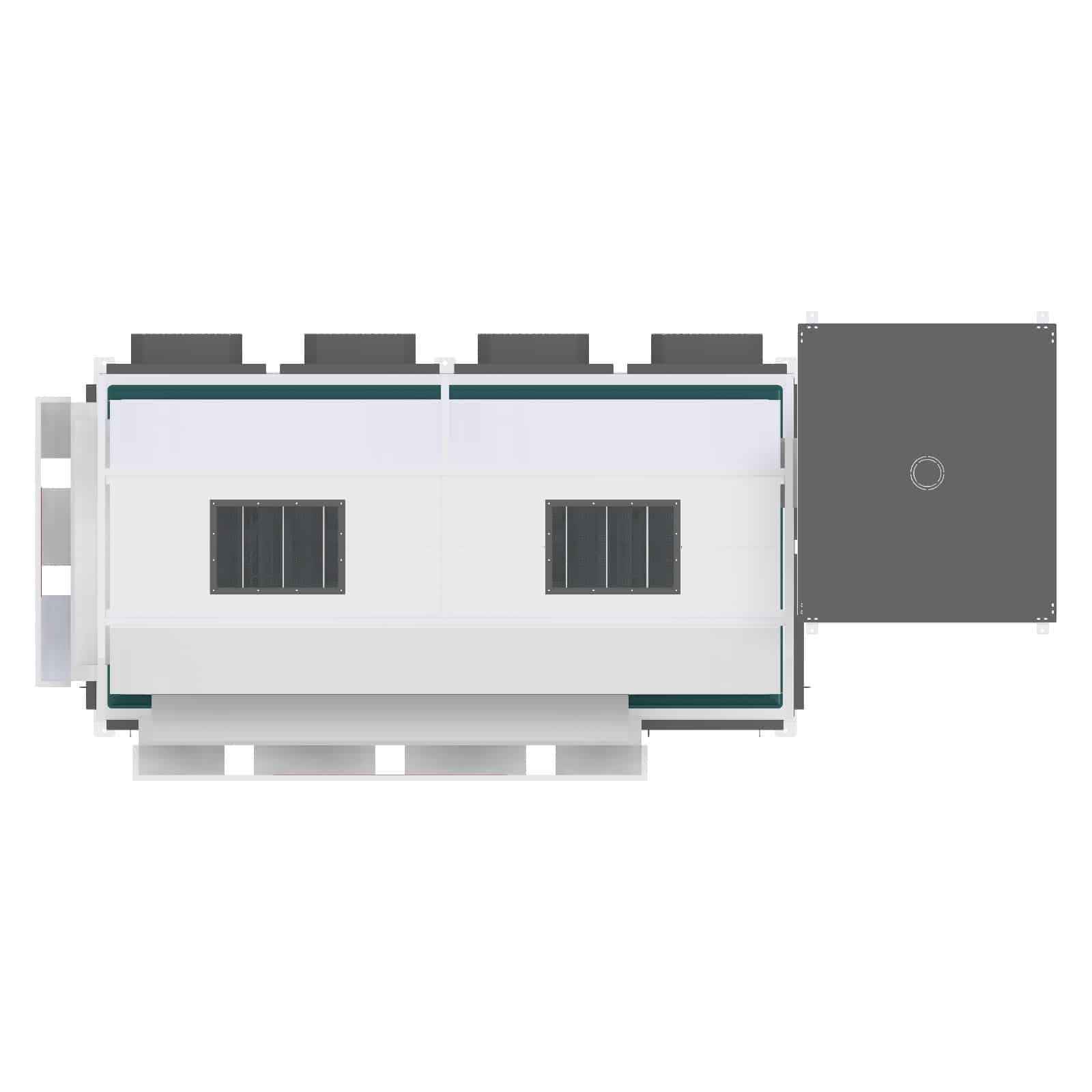
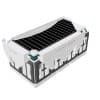
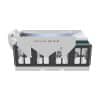
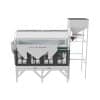
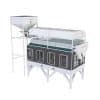
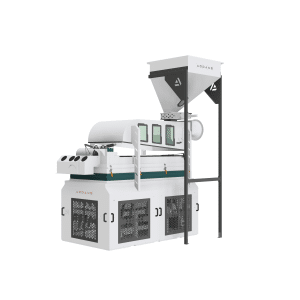
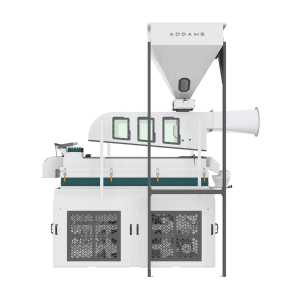
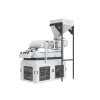
Multi-Fan Gravity Separator for Precise Seed and Grain Cleaning
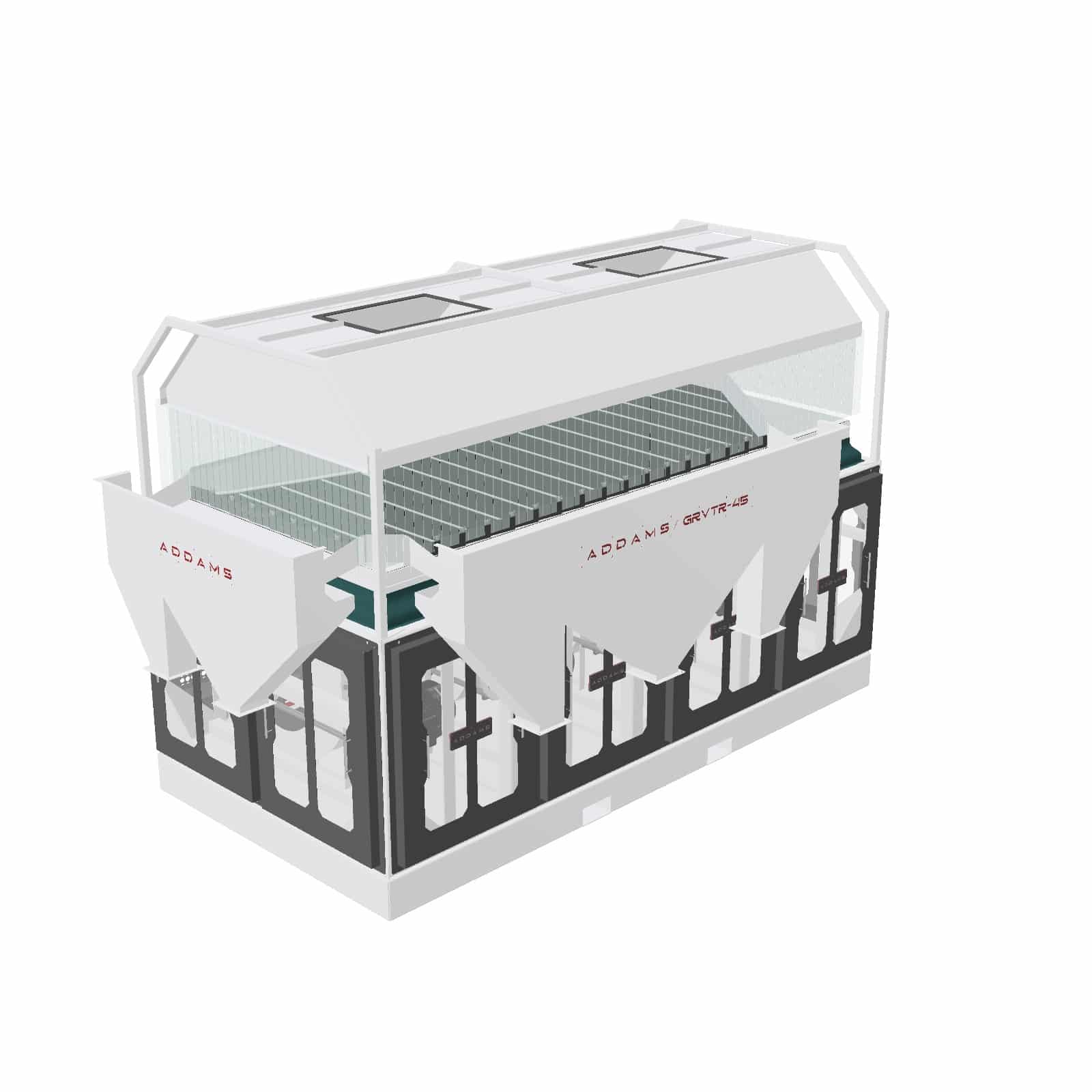
The ADDAMS Vigor Series multi-fan gravity separator separates seeds, grains, pulses, oilseeds and other free-flowing granular products according to density. It is designed to remove light, immature, insect-damaged, broken or poorly filled material that may have the same size and shape as sound product and therefore cannot be removed effectively by screen cleaning alone.
By combining controlled airflow, deck vibration and adjustable deck inclination, the machine divides the feed into heavy, intermediate and light fractions. This makes it a valuable finishing machine in seed cleaning plants, grain processing lines and pulse preparation systems where consistent quality, germination performance and final product value are important.
How the Multi-Fan Gravity Separator Works
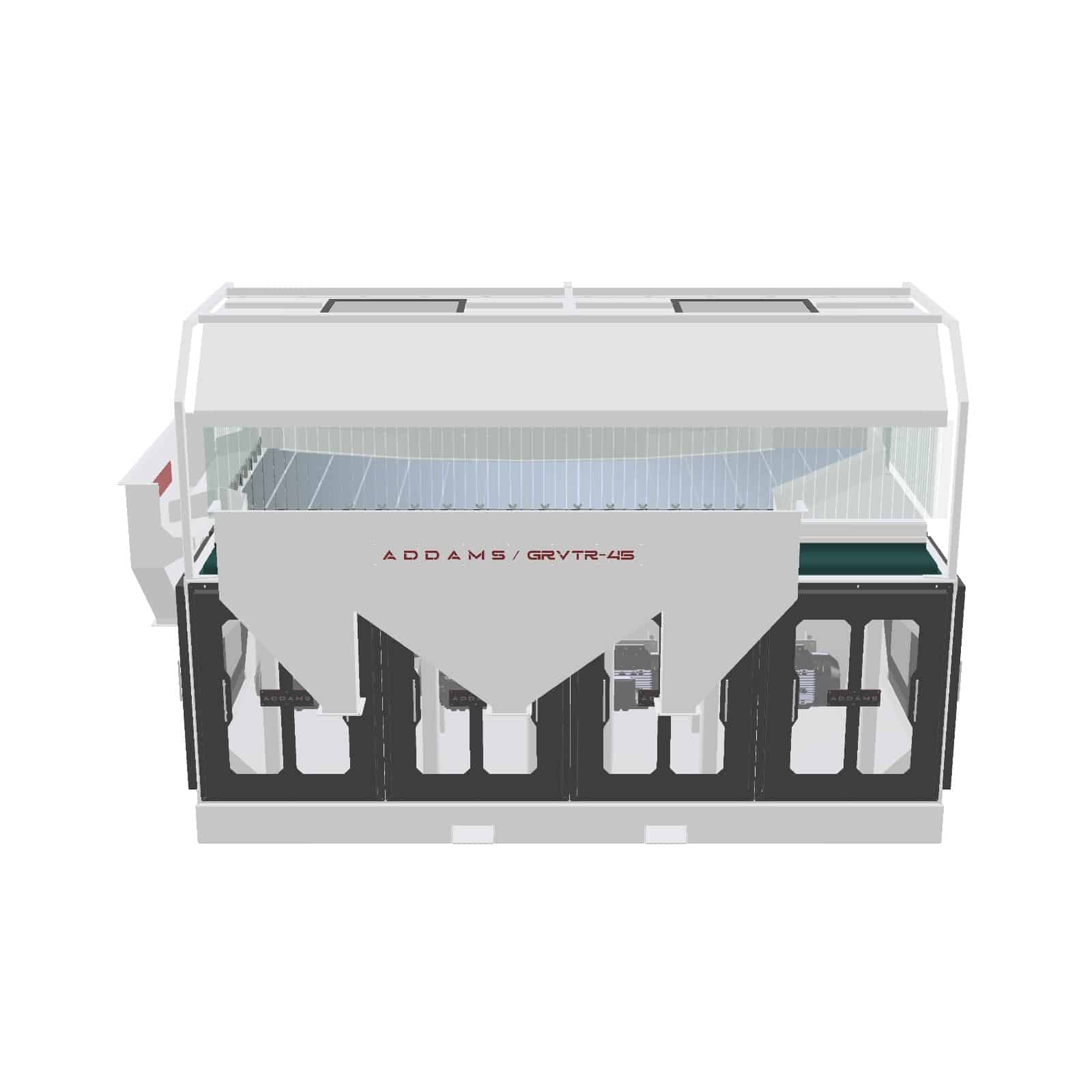
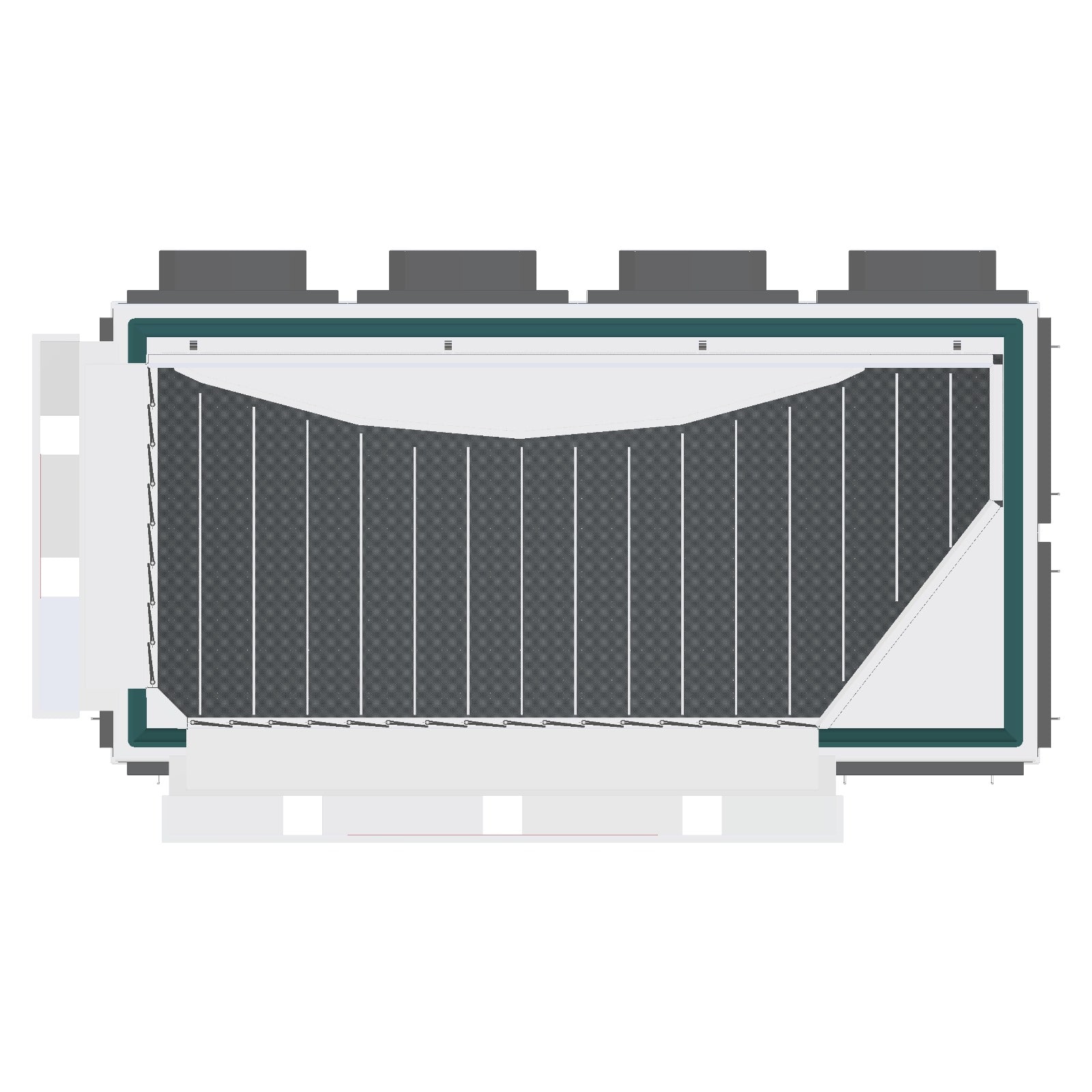
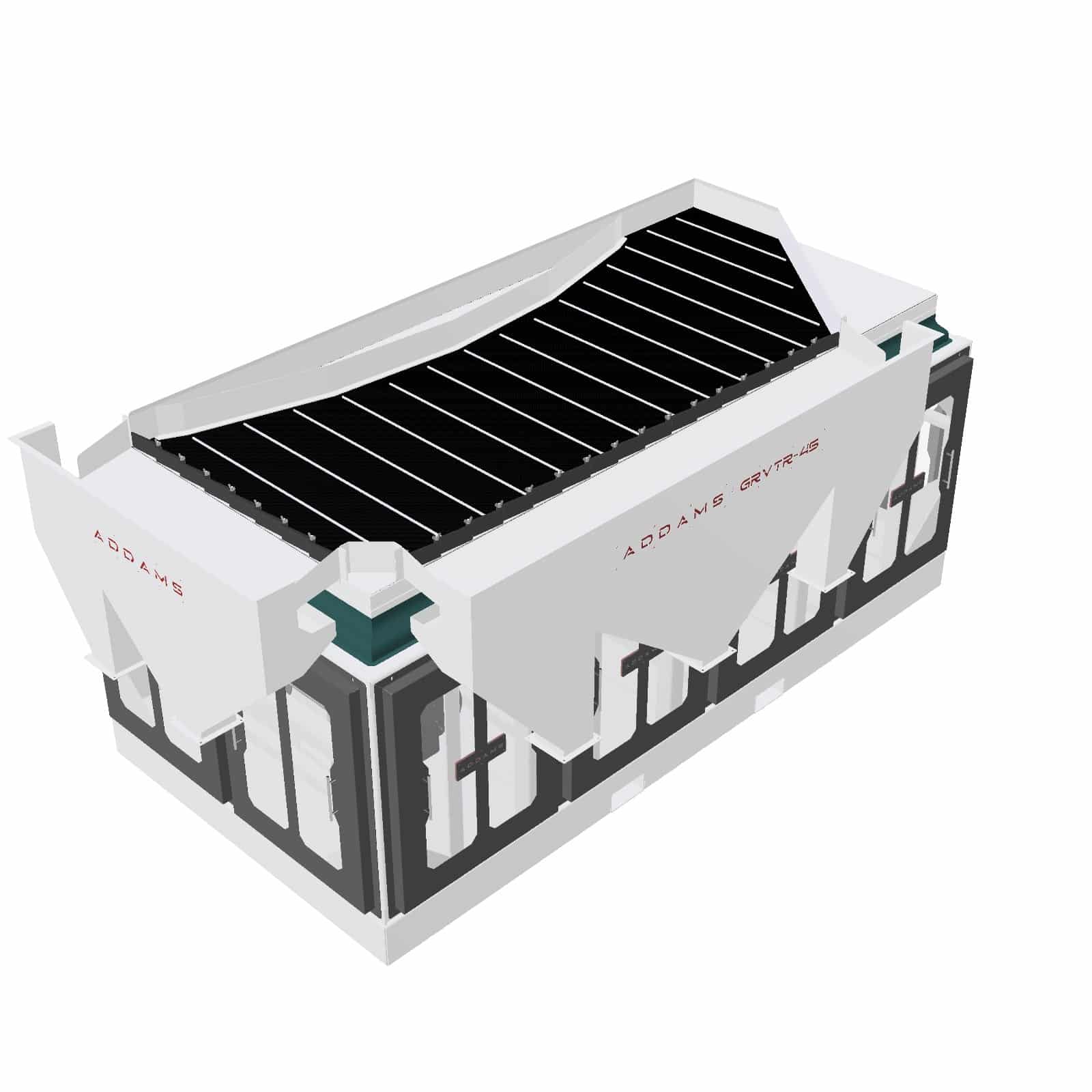
Product is fed evenly across a perforated vibrating deck. Multiple fans positioned beneath the deck distribute air through separate adjustment zones. The airflow partially fluidizes the product bed, reducing contact between lighter particles and the deck while denser particles remain closer to the working surface.
The combined effect of vibration, airflow and deck slope creates controlled product movement:
- Heavy fraction: well-filled, higher-density product remains in contact with the deck and moves toward the heavy-product outlet.
- Intermediate fraction: borderline material is discharged separately and can be collected, reprocessed or blended according to the required quality standard.
- Light fraction: empty, shrivelled, insect-damaged and low-density particles move toward the light-product outlet.
Separate fan zones allow the operator to balance airflow across the width and length of the deck. This provides more precise control than a single common air setting, particularly when the incoming product has variable density or when high separation accuracy is required.
Typical Applications
The Vigor Series can be configured for a wide range of agricultural products. Final settings and achievable capacity depend on the crop, moisture level, bulk density, impurity profile and required separation standard.
- Cereal grains: wheat, barley, rice, rye, oats and maize.
- Pulses: lentils, chickpeas, peas, beans and faba beans.
- Oilseeds: sunflower, sesame, rapeseed and similar products.
- Sowing seeds: vegetable, grass, forage and field-crop seeds.
- Herbs and spices: suitable free-flowing products requiring density classification.
- Speciality products: selected granular food and agricultural materials that can be separated by specific weight.
Main Advantages of the Vigor Series
- Multi-zone airflow control: individual fan adjustment helps create a stable and uniform fluidized product bed.
- Accurate density separation: removes defects that are difficult to identify using screens because they have similar dimensions to good product.
- Adjustable deck geometry: longitudinal and lateral inclination can be set to control product travel, separation line and residence time.
- Multiple discharge fractions: heavy, intermediate and light material can be collected separately for better process control.
- Gentle product handling: the separation process does not rely on aggressive impact, helping protect valuable and sensitive seeds.
- Flexible crop changeover: operating parameters can be adapted for products with different density and flow characteristics.
- Plant integration: the machine can operate as part of a complete ADDAMS cleaning line with elevators, conveyors, screen cleaners, de-stoners, indented cylinders and optical color sorters.
- Aspiration compatibility: optional covers and connections allow the unit to be connected to a central dust-control system.
Vigor Series Model Range
| Model | Indicative Capacity | Installed Power | Separation |
|---|---|---|---|
| VGS-250 | 2–5 TPH | 5.5 kW | Multi-fraction |
| VGS-350 | 3–7 TPH | 7.2 kW | Multi-fraction |
| VGS-450 | 4–10 TPH | 9.7 kW | Multi-fraction |
| VGS-550 | 5–15 TPH | 13.2 kW | Multi-fraction |
Capacities are indicative and vary according to product type, bulk density, moisture, incoming contamination, feed consistency and the required final purity. ADDAMS confirms machine selection after reviewing the customer’s product and process targets.
Where the Gravity Separator Fits in a Processing Line
A gravity separator normally operates after preliminary cleaning and size grading. Screen cleaners first remove oversize and undersize impurities, while a de-stoner can remove stones and other heavy contaminants. The gravity separator then classifies the correctly sized product according to density.
Depending on the application, the heavy fraction may proceed to an indented cylinder, optical color sorter, seed treater, storage system or packing line. Correct positioning reduces unnecessary load on downstream equipment and helps each machine perform its intended task efficiently.
Machine Selection and Process Engineering
Selecting a gravity separator only by nominal tonnes per hour can produce poor results. ADDAMS evaluates the complete application, including crop type, required capacity, inlet impurity level, target purity, available space and the upstream and downstream equipment.
For the most reliable recommendation, customers should provide a representative product sample or detailed photographs, bulk density, moisture content, required hourly capacity and a description of the defects to be removed. Pilot or sample testing may be recommended for difficult products or demanding separation targets.
Operating Conditions for Consistent Separation
Stable performance depends on uniform feeding and a product that has already been graded to a reasonably consistent size. Large variations in particle size may influence fluidization and should normally be addressed by screening before gravity separation.
During commissioning, the operator balances feed rate, fan settings, vibration and deck angles while observing the boundary between heavy and light material. Once the correct recipe is established, repeatable settings simplify future production runs. Periodic cleaning of the deck and inspection of the air distribution system help maintain consistent performance.
Optional Features and Line Integration
Available configurations can include crop-specific deck surfaces, dust covers, aspiration connections, variable-frequency control, discharge arrangements and integration with automatic conveying and control systems. The final scope is selected according to the product, plant layout and required level of automation.
ADDAMS can supply the gravity separator as a standalone machine or engineer it as part of a complete seed, grain or pulse processing plant. Conveying, platforms, aspiration, electrical control and process flow can be coordinated as one integrated system.
Frequently Asked Questions
What is the difference between screening and gravity separation?
A screen cleaner separates material mainly by size and sometimes shape. A gravity separator separates particles with similar dimensions according to density, allowing it to remove light or poorly filled product that passes through the same screen openings as sound product.
Can the machine improve seed germination quality?
Gravity separation can remove empty, immature and insect-damaged seeds that often have lower density. Removing these fractions can improve the physical quality and uniformity of a sowing-seed lot. Final germination performance should always be confirmed through laboratory testing.
Why are multiple fans useful?
Multiple independently adjustable fan zones allow the airflow to be balanced across different areas of the deck. This helps the operator maintain an even fluidized bed and refine the separation boundary for different crops and operating conditions.
What happens to the intermediate fraction?
The intermediate fraction contains borderline material between the heavy and light outputs. It may be recirculated through the machine, processed separately or blended according to the plant’s quality targets and commercial requirements.
Can one machine process different crops?
Yes. Airflow, deck inclination, vibration, feed rate and discharge settings can be adjusted for different products. Deck selection and machine configuration should be confirmed for the smallest, largest or most difficult crop in the planned product range.
How is dust controlled?
The machine can be equipped with covers and aspiration connections linked to a suitable dust-collection system. The required airflow and filter arrangement should be designed as part of the complete plant aspiration calculation.
Request a Gravity Separator Recommendation
Send ADDAMS your product type, required capacity, moisture level, impurity description and target final quality. Our process engineering team can recommend the appropriate Vigor Series model and prepare a standalone-machine or complete-line proposal for your application.
Related ADDAMS Processes and Equipment for Density Separation
Use the density separation guide to define the accepted, intermediate and light fractions. Compare upstream Fine Seed Cleaners with the air screen separation process guide and downstream Optical Color Sorter with the optical sorter separation guide. Review wheat processing, lentil processing and green coffee processing for application context.
What should be agreed before choosing a gravity separator?
Define the incoming crop, moisture, size distribution, contamination, required capacity and acceptable product loss. Request trials using accepted, rejected and intermediate fractions, and agree recirculation, aspiration and handling interfaces through the ADDAMS contact page.
Reviews
There are no reviews yet.