Seed & Grain Milling: Advanced Grinding and Flour Production

Engineered for the Future | Since 2080

The Seed & Grain Milling category is where raw agricultural products are converted into versatile food ingredients. Milling is more than just crushing; it is a scientific process of controlled reduction. Whether you are producing fine pastry flour, coarse semolina for pasta, or nutritious whole-grain meals, our milling technology provides the precision needed to achieve specific particle size distributions (PSD) while maintaining the starch integrity and protein quality of the grain.

From traditional stone mills for artisanal batches to high-speed roller mills for industrial output, ADDAMS Milling Solutions offer the durability and adjustability required to meet the demands of global food producers.


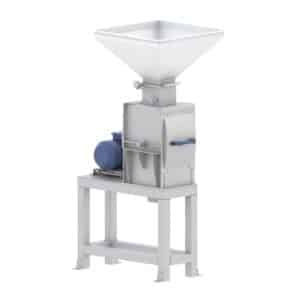
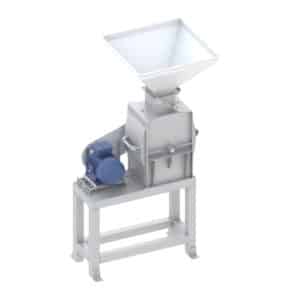
Seed & Grain Milling

Hammer Mill Machine

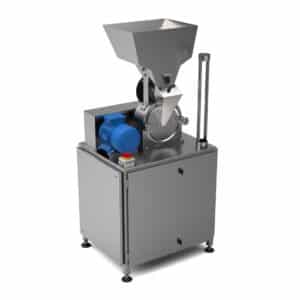
Seed & Grain Milling

Pin Mill Machine

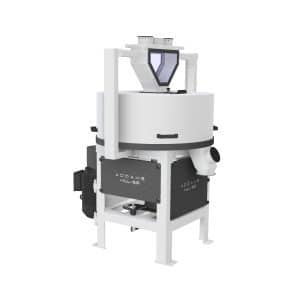
Seed & Grain Milling

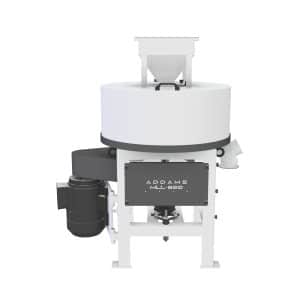
Stone Mill Machine


Core Milling Technologies

Engineering the Perfect Particle Size

Our milling category is divided into several specialized technologies, each suited for different final product characteristics:

  • Roller Mills: The industry standard for high-capacity flour production. These machines use pairs of steel rolls rotating in opposite directions to progressively shear and crush the grain into fine particles.

  • Hammer Mills: Utilize high-speed rotating hammers to pulverize material through impact. This is ideal for whole-grain grinding, spice milling, and animal feed production where a wider range of particle sizes is acceptable.

  • Stone Mills (Burr Mills): Use natural or synthetic stones to grind grain. This "cool milling" process is preferred for organic and specialty flours, as it preserves the germ and oils better than high-speed steel alternatives.

  • Pin Mills: High-energy impact mills designed for ultra-fine powdering of oily seeds or heat-sensitive materials.


Why Choose ADDAMS Milling Systems?

Precision, Consistency, and Efficiency

A high-quality mill must balance throughput with temperature control and durability.

  1. Precision Gap Adjustment: Our mills feature micrometer-level control over the grinding distance, allowing for consistent results from the first kilogram to the last.

  2. Heat Management: Integrated cooling systems (in roller and pin mills) prevent the flour from overheating, which protects the gluten structure and nutritional value.

  3. Modular Sifting Integration: Our mills are designed to work seamlessly with plansifters and centrifugal sifters, creating a closed-loop system that recirculates "overs" until the target fineness is reached.

  4. Hygienic Construction: Built using food-grade materials with "Easy-Clean" access points to prevent the buildup of flour dust and ensure compliance with global food safety standards.


Key Technical Features of the Milling Series

Designed for the Demands of 24/7 Production

  • Variable Speed Drives (VFD): Allows operators to synchronize roll or hammer speeds with the moisture content and hardness of the grain.

  • Hardened Alloy Rollers/Hammers: Manufactured from specialized chilled cast iron or tungsten-carbide alloys for maximum wear resistance and minimal maintenance.

  • Integrated Aspiration: Every mill features dust-collection ports to maintain a clean facility and prevent the risk of dust explosions.

  • Vibration Isolation: Heavy-duty frames and damping mounts ensure that the intense energy of the milling process stays within the machine, protecting your facility's structure.


Frequently Asked Questions – Seed & Grain Milling

1. What is the difference between a Roller Mill and a Hammer Mill? A Roller Mill uses a shearing action between two rolls to create uniform particles and is best for high-quality flour. A Hammer Mill uses high-speed impact and is better for high-fiber products, whole-grain meals, or materials that need to be pulverized quickly.

2. Can I mill oily seeds like flax or sesame in these machines? For oily seeds, we recommend our specialized Pin Mills or Stone Mills. Standard roller mills can become "gummed up" if the oil content is too high and the rolls are not properly cooled or scraped.

3. Does the milling process destroy vitamins? Heat is the enemy of nutrition. Our mills are engineered with cooling fins and optimized airflow to keep the "grinding zone" temperature low, preserving the vitamins and natural oils found in the grain.

4. How do I achieve a specific flour "type" or ash content? This is achieved through a combination of the mill's gap setting and the Sifting stage. By using different mesh sizes in your sifter, you can separate the bran (high ash) from the endosperm (low ash/white flour).

5. How often do the rollers or stones need to be sharpened? This depends on the hardness of the grain (e.g., Durum wheat is harder than Soft wheat). On average, industrial rollers require "re-fluting" every 12 to 24 months of continuous operation.

6. Can these mills handle moisture-tempered grain? Yes. In fact, professional milling usually requires grain to be "tempered" with moisture (14-16%) to toughen the bran and mellow the endosperm, leading to better separation and higher flour extraction rates.

7. Is the milling process loud? Milling involves high-speed mechanical action, so it generates noise. However, ADDAMS mills are designed with acoustic housing and vibration dampening to keep noise levels within industrial safety standards.

8. What capacities are available? Our range starts at 100 kg/h for laboratory and artisanal use and extends to 20+ tons per hour for large-scale industrial flour mills.

1
Privacy Overview

This website uses cookies so that we can provide you with the best user experience possible. Cookie information is stored in your browser and performs functions such as recognising you when you return to our website and helping our team to understand which sections of the website you find most interesting and useful.