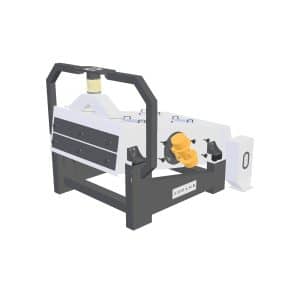
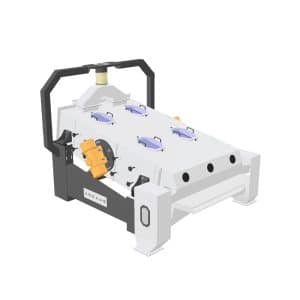
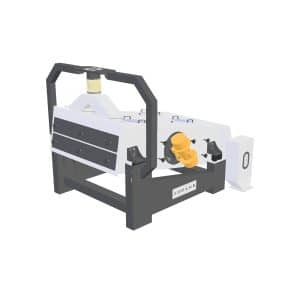
Grain and Seed Cleaning Machines
Grain and seed cleaning machines are essential equipment in modern agricultural processing facilities. After harvest, grains and seeds contain various impurities such as straw, chaff, stones, dust, broken kernels, and foreign seeds. Without proper cleaning, these impurities cause quality loss, storage problems, and reduced market value. For this reason, grain cleaning machines and advanced seed cleaning systems play a critical role in ensuring product purity and processing efficiency.
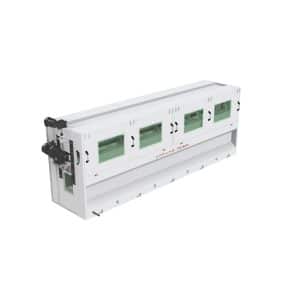
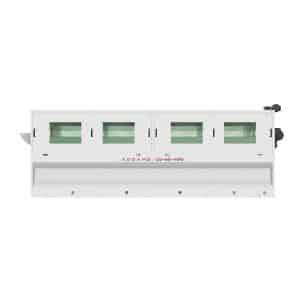
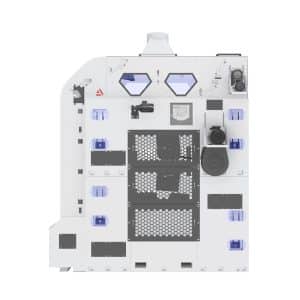
Seed & Grain Grader Screeners
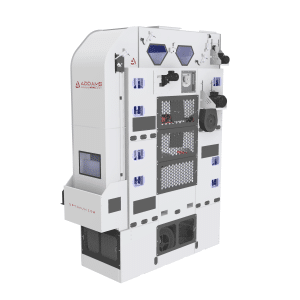
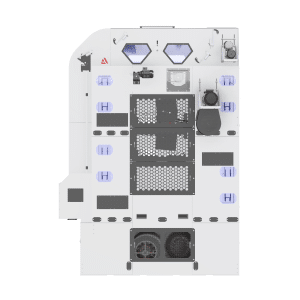
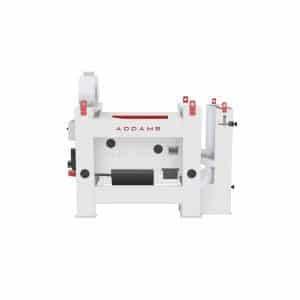
Grain & Seed Cleaning Machines
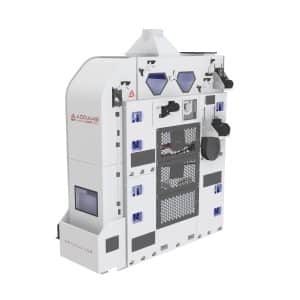
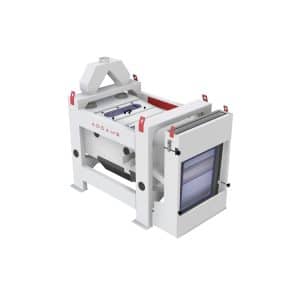
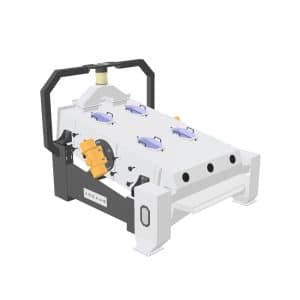
Pre-Cleaner Screening Separators
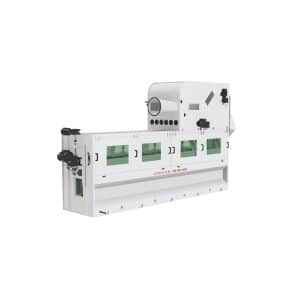
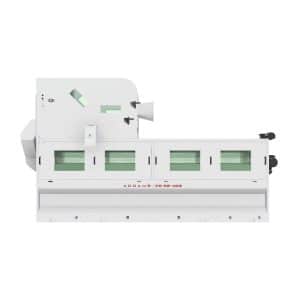
Fine Screen Seed Cleaners Machine
Pre-Cleaner Screening Separators
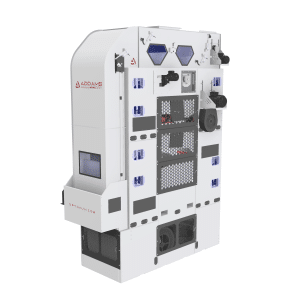
Fine Screen Seed Cleaners Machine
Pre-Cleaner Screening Separators
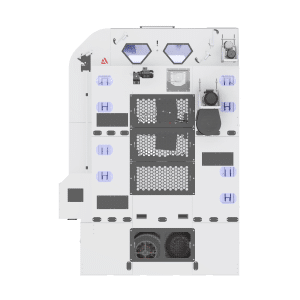
Seed & Grain Grader Screeners
What Are Grain Cleaning Machines?
Grain cleaning machines are designed to remove coarse and fine impurities from cereals such as wheat, barley, corn, rye, oats, and similar grains. By combining screening, aspiration, and gravity-based separation principles, these machines provide high-capacity and efficient cleaning for both food and feed applications.
Why Is Grain Cleaning Important?
Professional grain cleaning offers several advantages:
-
Prevents mold formation and spoilage during storage
-
Protects downstream processing equipment
-
Improves product quality and commercial value
-
Reduces dust levels and processing losses
Thanks to these benefits, grain cleaning machines are widely used in grain terminals, mills, seed plants, and storage facilities.
Seed Screening and Separation Machines
Seed Screening Machines
Seed screening machines use multi-deck sieve systems to separate broken seeds, undersized particles, and unwanted materials according to size. These machines are especially important for seed conditioning plants where high purity and uniformity are required.
Seed Separation Machines
Seed separation machines operate based on size, weight, and aerodynamic properties of the product. By using gravity and airflow principles, they efficiently remove stones, heavy foreign materials, and lightweight impurities from seeds.
Advantages of Precision Separation
-
Higher seed purity and uniformity
-
Improved germination performance
-
Reduced seed loss during processing
-
Compliance with certification standards
Seed Cleaning Systems
Seed cleaning systems are complete processing lines rather than single machines. They consist of pre-cleaners, fine cleaning units, seed screening machines, seed separation machines, aspiration channels, and buffer hoppers working together to achieve maximum cleaning efficiency.
Modular and Integrated Design
Modern seed cleaning systems are modular and can be integrated with elevators, conveyors, silos, dryers, and packaging units. This flexibility allows processors to build turnkey solutions suitable for different capacities and products.
Automation and Process Control
PLC-controlled seed cleaning systems enable precise control of air flow, capacity, and product routing. Automation minimizes operator dependency and ensures consistent cleaning quality throughout the production process.
Certified Seed Cleaning Applications
Certified seed cleaning requires a much higher level of precision compared to food-grade cleaning. The objective is not only to remove impurities but also to preserve healthy, viable seeds with high germination potential.
Importance of Certified Seed Cleaning
-
Increases germination rate
-
Ensures uniform field emergence
-
Improves crop yield and performance
-
Enables compliance with seed certification regulations
For certified seed cleaning, high-precision seed screening and seed separation machines are essential components of the processing line.
Suitable Crops for Grain and Seed Cleaning Machines
Grain and seed cleaning machines are commonly used for:
-
Wheat, barley, corn, rice
-
Lentils, chickpeas, beans
-
Sunflower, rapeseed, sesame
-
Vegetable seeds and forage crop seeds
Each crop requires specific screen sizes and airflow settings to achieve optimal cleaning results.
Frequently Asked Questions (FAQ)
1. What capacities are available for grain cleaning machines?
Grain cleaning machines are available in capacities ranging from 1 ton/hour up to 50 tons/hour or more, depending on the crop type.
2. Can seed screening machines handle different products?
Yes. By changing the screens and adjusting airflow, seed screening machines can process various seed types.
3. Why are seed separation machines necessary?
Seed separation machines remove stones and heavy foreign materials, improving product quality and protecting downstream equipment.
4. Are seed cleaning systems single machines or complete lines?
Seed cleaning systems are complete processing lines consisting of multiple integrated machines.
5. What is the difference between certified seed cleaning and food-grade cleaning?
Certified seed cleaning focuses on preserving seed viability and germination, while food-grade cleaning focuses on removing impurities for consumption.
6. Is energy consumption high?
Modern grain and seed cleaning machines are designed with energy-efficient motors and optimized airflow systems to minimize energy usage.
7. Is automation mandatory for seed cleaning systems?
Automation is not mandatory, but it is highly recommended for large-capacity plants to ensure consistent quality and efficient operation.