

Seed & Grain Polisher Machines: The Final Touch of Brilliance
Engineered for the Future | Since 2080
The Seed & Grain Polisher Machines category represents the pinnacle of post-harvest aesthetics and hygiene. While primary cleaners remove foreign objects and sorters ensure color uniformity, a polisher addresses the microscopic surface level. By using gentle friction and specialized polishing media, these machines remove adhered dust, soil residues, and “fluff” from the surface of seeds and grains. This process transforms a dull, matte product into a bright, glossy, and silky-smooth commodity that commands a premium price on the global market.
For processors of rice, pulses, and specialty hybrid seeds, the ADDAMS Polisher Series is the essential final bridge between a processed product and a luxury retail brand.
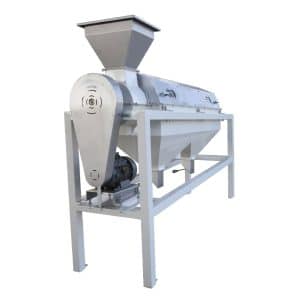
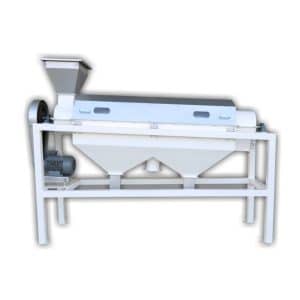
Seed & Grain Polishers
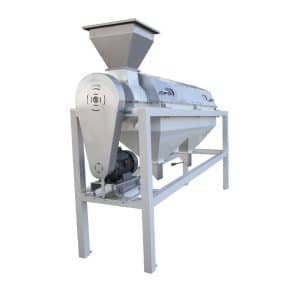
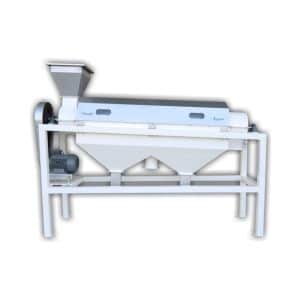
Seed & Grain Polishers
Technical Principles of Surface Polishing
The Mechanics of Friction and Aspiration
The engineering of a Seed & Grain Polisher Machine relies on controlled surface contact and immediate dust evacuation:
-
Friction-Based Buffing: The grain enters a chamber where a rotor—often fitted with leather straps, soft brushes, or food-grade cloth—rotates at high speeds. The seeds are gently rubbed against each other and the polishing media, effectively "buffing" the surface.
-
Aspiration and Cooling: Integrated high-volume fans pull air through the polishing chamber. This serves a dual purpose: it instantly removes the fine dust particles released during polishing and keeps the product cool to prevent thermal stress or oil rancidity.
-
Liquid Conditioning (Optional): Some advanced polishers include a micro-mist system that can apply trace amounts of water or food-grade oil to enhance the "silky" finish and provide a deeper, more lasting shine.
-
Adjustable Intensity: Through the use of counterweights on the outlet gate and variable speed drives, the "retention time" and friction intensity can be adjusted for different seed sensitivities.
Why Integrate Seed & Grain Polisher Machines?
Driving Consumer Confidence and Market Value
Polishing is the ultimate "value-add" step in modern processing lines, offering significant commercial and functional benefits:
-
Superior Shelf Appeal: Polished grains and pulses look cleaner and more appetizing to consumers, significantly increasing brand trust in retail packaging.
-
Dust-Free Handling: By removing the "trichomes" (fluff) and micro-dust, the machine makes the final product easier to handle and package, reducing dust emissions in your warehouse.
-
Improved Flowability: Smoother seeds move more efficiently through packaging machines and seed drills, reducing friction-related blockages and improving the accuracy of mechanical planters.
-
Removal of Adhered Soil: For pulses like lentils and chickpeas, polishing is the only way to remove the stubborn film of fine soil that survives traditional screening and aspiration.
Key Features of the ADDAMS Polisher Series
Engineered for Hygiene and Precision
Our Seed & Grain Polisher Machines are designed to deliver consistent results across industrial workloads:
-
Hardened Stainless Steel Screen: The perforated screen basket is made from heavy-duty stainless steel to withstand abrasive contact while maintaining a smooth internal profile.
-
Quick-Change Polishing Media: Whether using leather, nylon brushes, or cloth, the internal straps are designed for fast replacement to minimize downtime between batches.
-
PLC Automation: Integrated control systems allow for the "recipe-based" management of polishing intensity, ensuring that a batch of lentils is treated differently than a batch of delicate hybrid corn.
-
Low-Breakage Design: The rotor geometry is optimized to ensure that friction happens at the surface level without applying crushing force, keeping broken grain percentages at near-zero levels.
Frequently Asked Questions – Seed & Grain Polisher Machines
1. Does polishing remove the nutritional value of the grain? Polishing focuses purely on the outer surface. While it removes the last remnants of loose bran and dust, it is far less aggressive than "whitening" or "milling" and preserves the core nutritional integrity of the seed.
2. Is it safe to use water or oil in the polisher? Yes. When used, water or oil is applied as a micro-mist (less than 0.1% of weight). This is just enough to assist the buffing process and is completely absorbed or evaporated, leaving the seed dry and stable for storage.
3. Which products benefit most from a Polisher Machine? The most dramatic results are seen in Pulses (lentils, chickpeas, beans, peas) and Cereals (rice, wheat, corn). It is also highly effective for removing "fluff" from oat seeds.
4. Can a Polisher replace an Aspiration Chamber? No. An Aspiration Chamber removes loose light impurities. A Polisher is required when the dust or soil is actually stuck to the seed coat.
5. How often do the polishing straps or brushes need to be replaced? Our high-durability leather and nylon media are designed for long-term industrial use. Depending on the abrasiveness of the product, they typically require inspection every 1,000 to 2,000 operating hours.
6. Does the machine generate heat? The friction of polishing does generate some heat. However, our integrated Cooling Aspiration System ensures that the air flowing through the chamber keeps the product temperature low.
7. Can I polish hybrid seeds without affecting germination? Yes. Our polishers feature "Gentle-Touch" settings specifically for hybrid seeds. This removes dust and improves "sowability" without damaging the embryo.
8. What capacities are available? We offer units ranging from 1 ton per hour for specialty seeds to high-capacity industrial machines processing up to 15 tons per hour.