Seed & Grain Magnets: Industrial Metal Contamination Control

Engineered for the Future | Since 2080

The Seed & Grain Magnets category is the primary defense system for your processing plant. Metal contaminants—such as nails, bolts, wire fragments, and rusted scales—frequently enter the processing line during harvest or transportation. If not removed, these fragments can cause catastrophic damage to high-speed machinery like mill rollers and dehullers, or worse, create a fire hazard through sparks. More importantly, magnetic separation is a non-negotiable requirement for food safety and brand protection.

Our magnetic separation solutions utilize high-intensity Neodymium (Rare Earth) and Ferrite magnets to capture even the smallest ferrous particles from a fast-moving grain stream, ensuring 100% equipment protection and product purity.


Seed & Grain Magnets

Magnet Grill

Seed & Grain Magnets

Magnetic Belt Separator

Seed & Grain Magnets

Tubular Magnet


Core Magnetic Separation Technologies

Engineering Pure Material Streams

Our magnet category includes several specialized designs, each optimized for different installation points and material flow types:

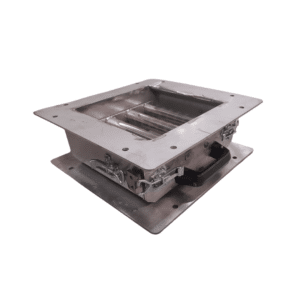
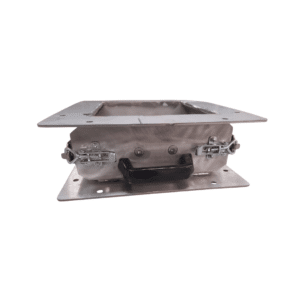
  • Magnetic Drawers (Grid Magnets): Ideal for free-falling materials in gravity pipes. Multiple rows of magnetic tubes ensure that every grain passes through a high-intensity magnetic field.

  • Hump Magnets: Designed for vertical or inclined gravity flow. The "dog-leg" shape forces the grain to hit two powerful magnetic plates, making it perfect for high-volume intake lines.

  • Plate Magnets: Installed above conveyor belts or at the bottom of chutes. These attract and hold ferrous metal as the grain slides over the magnetic surface.

  • Magnetic Drums: Used for continuous, automatic metal removal. A rotating outer drum carries the grain, while an internal stationary magnet holds onto metal fragments, dropping them into a separate waste bin.

  • Bullet Magnets: Streamlined magnets shaped like a "bullet," placed inside pneumatic or gravity pipelines to capture metal without obstructing the high-speed air or grain flow.


Why Integrate ADDAMS Magnetic Separators?

Machine Longevity and Food Safety Compliance

Installing magnets is the most cost-effective insurance policy for any grain processing facility.

  1. Protection of Downstream Equipment: Prevents metal from entering Roller Mills, Dehullers, or Pellet Mills, where they can break expensive components and cause long downtimes.

  2. Explosion Prevention: In dusty environments, a single spark caused by metal hitting metal can trigger a dust explosion. Magnets eliminate this ignition source.

  3. Regulatory Compliance: Essential for meeting HACCP, BRC, and ISO food safety standards. It ensures your final packaged product is free from dangerous metal contaminants.

  4. Permanent Power: Our high-grade Neodymium magnets require no electricity and maintain their magnetic strength for decades, providing constant protection with zero operating costs.


Key Technical Features of the Magnet Series

Built for Extreme Capture Power

  • Rare Earth (Neodymium) Power: Capable of generating up to 12,000 Gauss, strong enough to pull out microscopic iron filings or work-hardened stainless steel fragments.

  • Easy-Clean Designs: Features "drawer-style" or "swing-out" mechanisms that allow operators to remove captured metal in seconds without stopping the main product flow.

  • Food-Grade Construction: All housings are built from AISI 304 or 316 stainless steel with smooth, gap-free welding to prevent bacterial growth.

  • High-Temperature Stability: Available in specialized versions that maintain full magnetic power even in hot environments like roaster discharges or steam conditioners.


Frequently Asked Questions – Seed & Grain Magnets

1. Do magnets remove all types of metal? Magnets remove ferrous metals (those containing iron) and certain types of work-hardened stainless steel. They do not remove non-ferrous metals like aluminum, copper, or lead. For those, a Metal Detector or X-Ray system is required.

2. Where is the best place to install a magnet? We recommend at least two points: 1) At the Intake (to protect all machinery) and 2) Just before Packaging (to ensure final product safety).

3. What is the difference between Ferrite and Neodymium magnets? Ferrite is cost-effective and good for large iron pieces (bolts, nuts). Neodymium is much stronger (Rare Earth) and is necessary for capturing small wire bits, rust flakes, and fine iron dust.

4. How often should the magnets be cleaned? This depends on how "dirty" your incoming grain is. In most facilities, a daily manual check is standard. For high-contamination lines, we offer Automatic Self-Cleaning models.

5. Will the magnets affect the quality of the seeds? No. Magnetic fields have no biological effect on seeds or grains. They do not change the nutritional value, germination vigor, or taste of the product.

6. Do the magnets lose their strength over time? High-quality permanent magnets lose less than 1% of their strength over 10 years, provided they are not exposed to extreme heat or physical abuse.

7. Can I install a magnet in a pneumatic (air) transport line? Yes. Our Bullet Magnets and Pneumatic Inline Magnets are specifically designed to be air-tight and streamlined to prevent pressure drops in your air-conveying systems.

8. Are these magnets safe for food processing? Absolutely. All ADDAMS magnetic separators are encased in food-grade stainless steel and meet the strict "cleanability" requirements of the food industry.

1
Privacy Overview

This website uses cookies so that we can provide you with the best user experience possible. Cookie information is stored in your browser and performs functions such as recognising you when you return to our website and helping our team to understand which sections of the website you find most interesting and useful.