







Screw Conveyor for Grain, Seed, Meal and Powder Handling
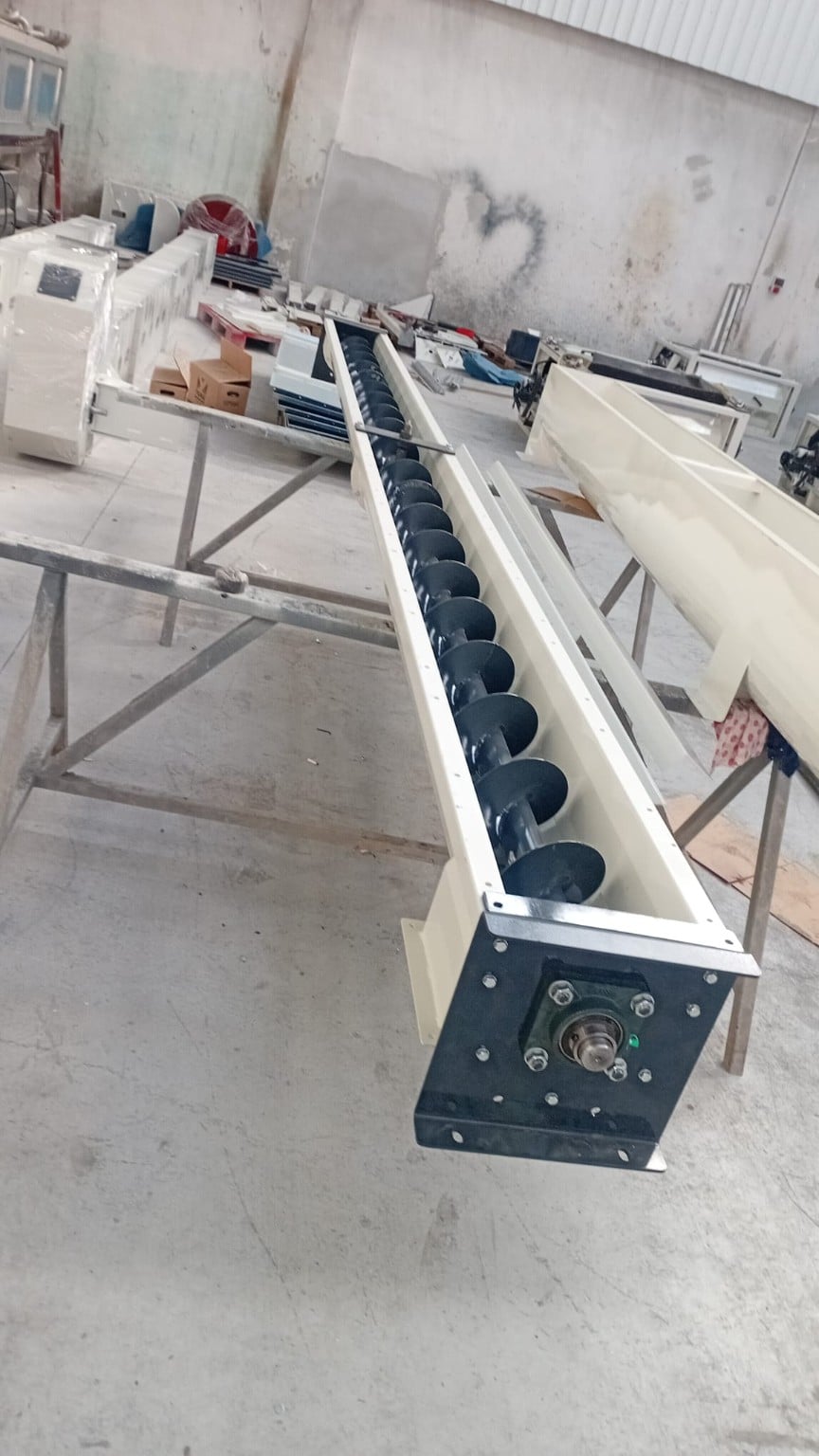
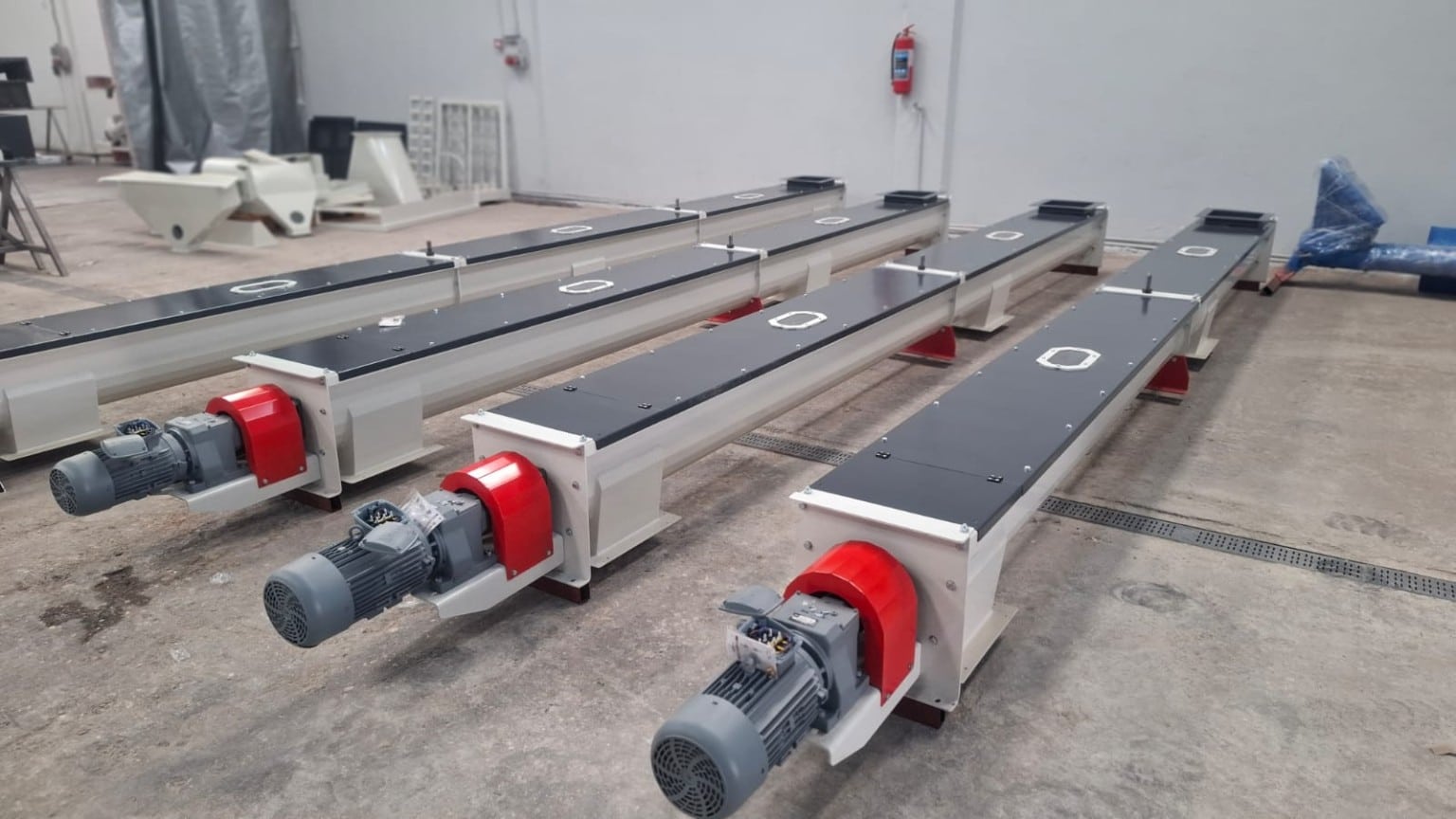
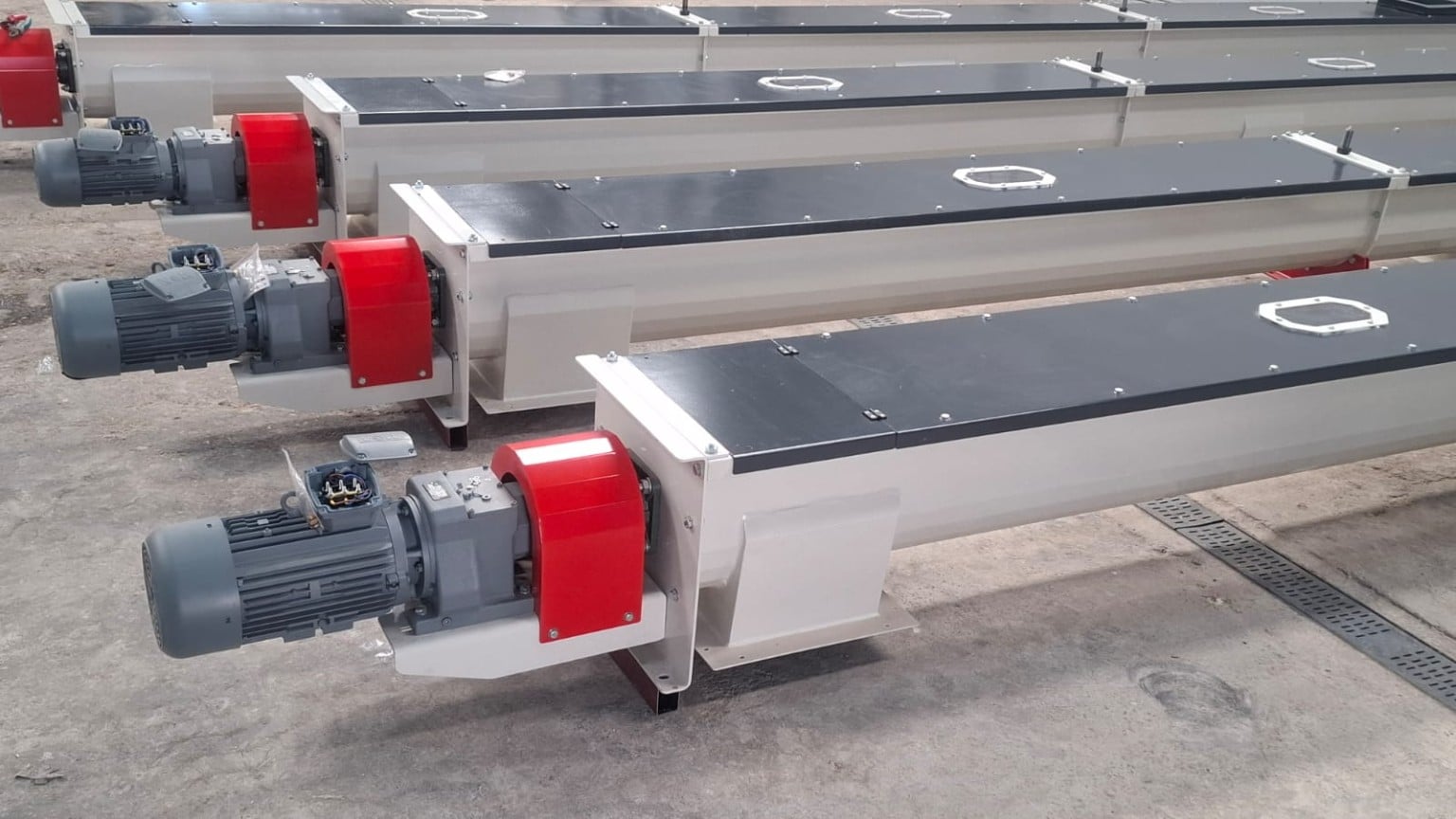
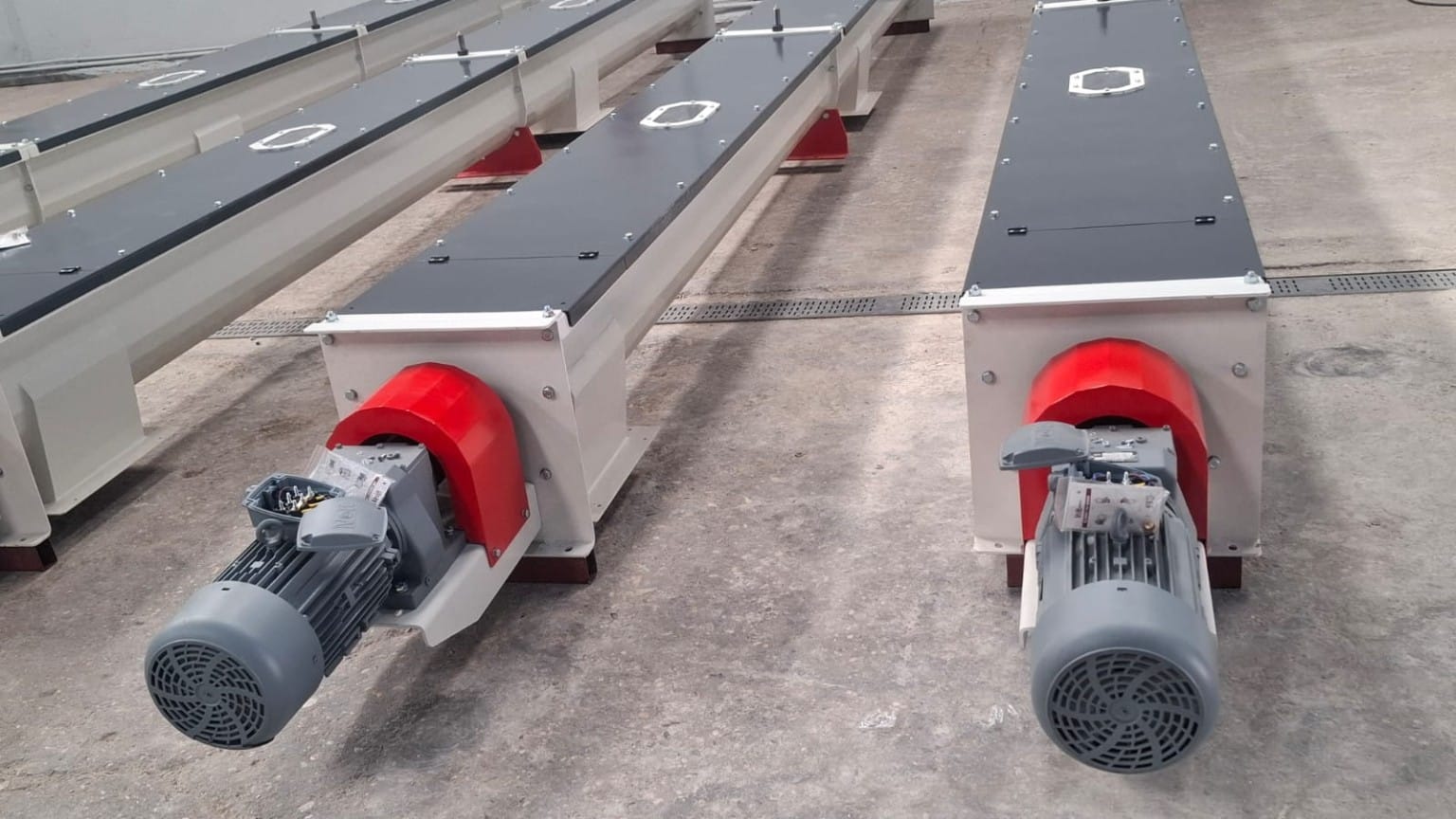
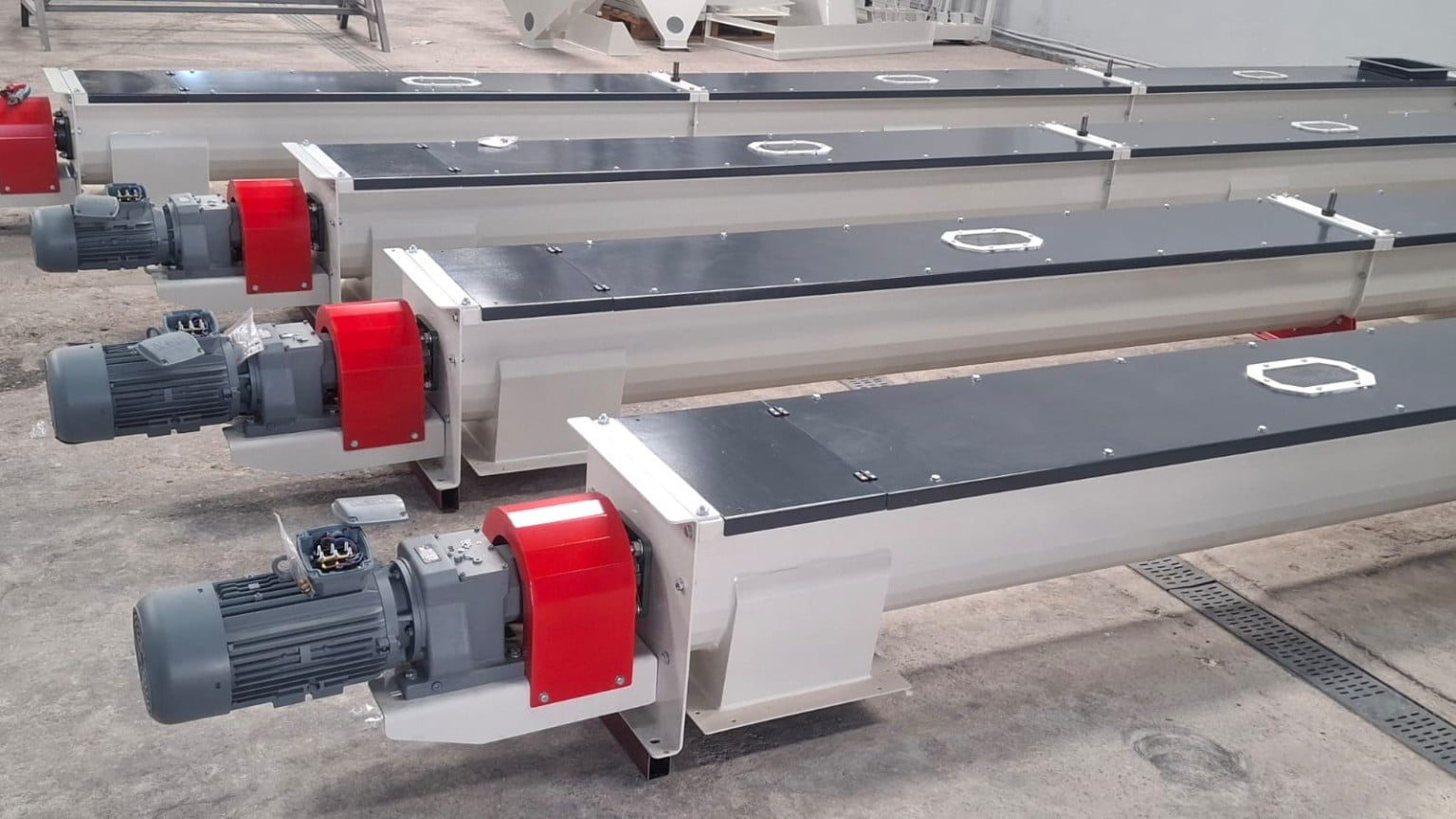
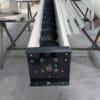
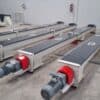
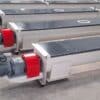
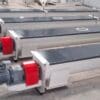
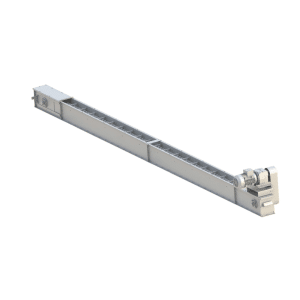
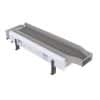
The ADDAMS screw conveyor, also called an auger conveyor, moves bulk material through a tubular or trough-shaped casing with a rotating helical flight. It provides a compact, enclosed route for horizontal or inclined transfer between hoppers, processing machines, bins and packaging equipment.
A screw conveyor is selected around the material and duty. Density, particle size, moisture, abrasiveness, flowability, capacity, length and incline determine the screw geometry, speed, drive and construction. Performance is defined in the technical proposal.
Typical Applications
Screw conveyors are commonly used for wheat, maize, barley, rice, pulses, oilseeds, meal, flour, bran, feed ingredients and selected powders or granules. They can transfer material beneath a hopper, feed a mixer, collect discharge from several machines or deliver product to storage and bagging equipment.
The material must be evaluated before selection. Fragile seed may suffer rubbing or impact at excessive speed. Abrasive products can accelerate flight and casing wear, while sticky or fibrous materials may build up or wrap around the shaft. Very light powder may require special sealing, venting and dust-control provisions.
How a Screw Conveyor Works
Product enters through one or more inlets and rests in the space between the rotating flights. Friction between the material and stationary casing limits rotation of the bulk mass, so the helical flight advances the product toward the discharge. Flow depends on screw geometry, rotational speed, fill level and the material’s behavior.
A screw conveyor can also operate as a feeder when the inlet and screw are designed to withdraw material at a controlled rate. Feeder duty is different from simple conveying: hopper pressure, inlet length, variable pitch and drive torque must be considered to avoid flooding, uneven withdrawal or compaction.
Main Components and Design Options
| Component | Function and selection considerations |
|---|---|
| Screw flight and shaft | Moves the product through the casing. Diameter, pitch, thickness and speed are matched to the material and capacity. |
| Tubular or U-trough casing | Contains the material. Tubes provide compact enclosure; troughs can offer easier access through removable covers. |
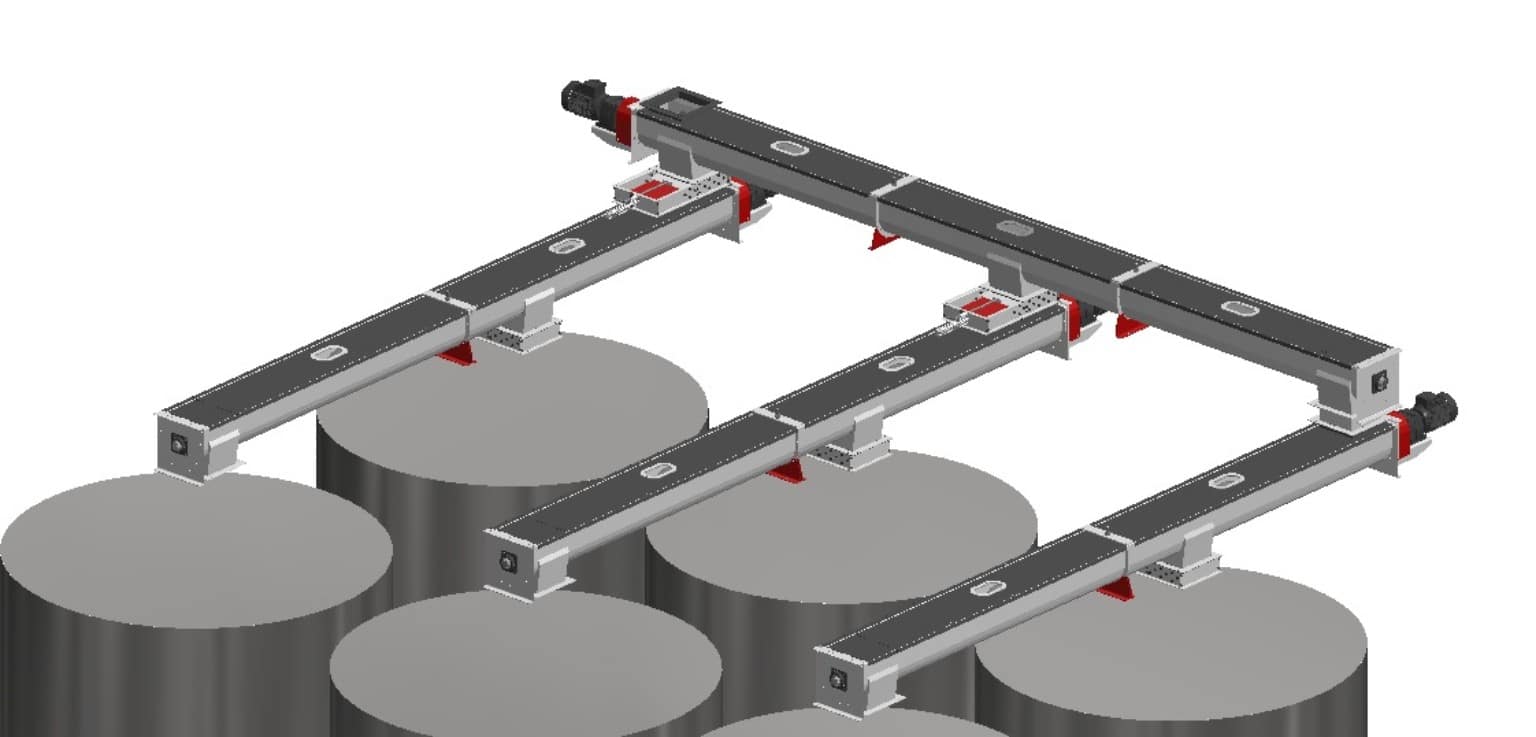
| Inlets and outlets | Connect hoppers and process equipment. Multiple points can be considered when the flow arrangement allows. |
| Drive assembly | Provides the torque and speed required for loaded starting and normal operation. |
| End and intermediate bearings | Support the rotating assembly. Their arrangement depends on conveyor length, product contact and maintenance needs. |
| Seals and covers | Help contain material and dust. The sealing level is selected for particle size, pressure and hygiene requirements. |
| Inspection and clean-out access | Allows examination of flights, residue and wear where required by the operating procedure. |
Construction can include painted carbon steel, galvanized steel or stainless-steel contact surfaces. Final materials, thicknesses, liners and surface finish are confirmed for product compatibility, wear and cleaning requirements.
Tubular and U-Trough Screw Conveyors
A tubular screw conveyor provides a fully enclosed circular casing and is often selected where the route must be compact or protected. It may be arranged horizontally or at a moderate incline, subject to the product and required throughput. Access must be planned through removable sections or inspection points.
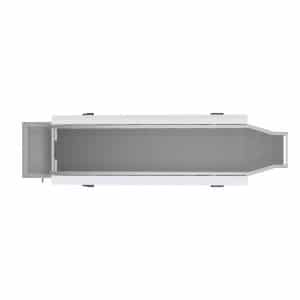
A U-trough conveyor uses a removable top cover and can simplify inspection or cleaning. It may suit longer horizontal transfers, multiple inlets or applications requiring regular access. Cover sealing and support spacing should be selected for the dust and hygiene conditions.
Capacity and Screw Sizing
Capacity is calculated from usable screw volume, speed, fill level, bulk density and material behavior. A conveyor that moves dense grain at one mass rate will deliver a different tonnes-per-hour figure with light meal or bran. Published diameter alone is therefore not enough to predict output.
Speed should balance capacity with product protection and wear. Higher rotation can increase throughput but may also raise power demand, attrition, dust generation and component wear. The inlet must supply product evenly, and the discharge must remain clear so the conveyor does not run overfilled.
Inclined Screw Conveying
As conveying angle increases, material tends to fall back between the flights and practical capacity normally decreases. Inclined designs may require a larger diameter, reduced pitch, higher speed or different inlet arrangement compared with a horizontal conveyor. Power and starting torque also change.
Steep inclines should be assessed carefully, particularly for heavy, fragile or poorly flowing products. Where the angle or lift is unsuitable for a screw, a belt conveyor, bucket elevator or another handling method may provide better performance.
Feeding from Hoppers and Bins
A screw beneath a storage hopper may be exposed to significant head pressure. If the full inlet is open without suitable design, material can flood the first flights and overload the drive. Variable-pitch or tapered flighting can help promote more even withdrawal along the inlet length.
Bin geometry, outlet size, product consolidation and bridging tendency must be considered together with the screw. Flow aids or agitation should only be added after assessing their effect on compaction, segregation and equipment loading.
Product Protection and Cross-Contamination
Screw conveyors create sliding contact between product, flight and casing. For valuable or fragile seed, the design should use an appropriate speed, fill level and transfer geometry. Representative trials are recommended when breakage, germination or coating loss limits are critical.
Plants changing crops or varieties must plan for residual material inside the casing. Clean-out doors, removable covers and accessible end sections can reduce hold-up, but cleaning effectiveness depends on the product and procedure. No screw conveyor should be described as completely self-cleaning.
Dust Control and Hygiene
An enclosed casing helps contain product, but dust can still escape at inlets, outlets, vents and seals. Connections should be coordinated with the plant aspiration system. Excessive negative pressure can carry valuable product away, while inadequate ventilation can pressurize the casing.
Food and seed facilities should select construction and cleaning access according to their hygiene plan. Allergen control, treated-seed separation and crop identity preservation may require dedicated equipment or validated cleaning procedures.
Drive, Controls and Safety
Drive selection considers required torque, loaded starting, length, angle, bearing arrangement and material condition. A variable-frequency drive may be included when controlled speed or process feeding is required. Motor-current monitoring can provide an early indication of overload or blockage.
Guards, emergency stops and safe isolation are essential around rotating machinery. Access covers may require interlocks based on the risk assessment. Combustible dust applications require site-specific evaluation of grounding, electrical classification, isolation and explosion protection.
Installation and Line Integration
Accurate alignment and stable supports help prevent shaft deflection, flight contact and premature bearing wear. Inlet and outlet transitions should avoid ledges and restrictions. The plant layout must provide access to the drive, bearings, covers and removable screw sections.
The conveyor can be integrated with level switches, gates, weighing systems and upstream or downstream equipment. Interlocks should stop feeding if the outlet blocks and prevent connected machines from discharging into a stopped conveyor.
Maintenance
Routine inspection should cover flight and casing wear, shaft alignment, bearings, seals, fasteners, drive components and safety devices. Changes in noise, vibration, motor current or capacity can indicate build-up, misalignment or wear.
Before inspection or cleaning, electrical power and connected material flow must be isolated according to site procedures. Maintenance intervals depend on duty cycle, product abrasiveness, contamination risk and operating environment.
Frequently Asked Questions
Which materials can a screw conveyor handle?
Many grains, seeds, meals, feed ingredients, powders and granules are suitable. Flowability, fragility, moisture, abrasiveness and particle size must be reviewed.
Can a screw conveyor operate on an incline?
Yes, but capacity usually falls as the angle increases. The screw, speed, drive and inlet arrangement must be selected for the incline.
Can the conveyor also meter product?
It can operate as a volumetric feeder when the inlet, flighting, speed control and hopper interface are designed for controlled withdrawal.
Is a tubular or U-trough design better?
Tubular designs offer compact enclosure; U-trough designs can provide easier inspection and cleaning. The best choice depends on the process.
Can stainless-steel construction be supplied?
Stainless-steel contact surfaces or broader stainless construction can be evaluated for hygiene, corrosion resistance and product compatibility.
What information is needed for a quotation?
Please provide material, bulk density, particle size, moisture, capacity, horizontal length, lift or angle, inlet and outlet arrangement, construction preference, operating hours and cleaning requirements.
Request a Project-Specific Screw Conveyor Proposal
Share your product data and plant layout with ADDAMS. Our team can propose the screw diameter, pitch, speed, drive, casing and connection arrangement suited to the required conveying or feeding duty.
Related Equipment and Process Options
Compare conveying methods for the material, route, cleanability and receiving equipment.
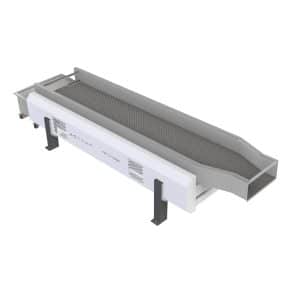
- Jog Conveyor
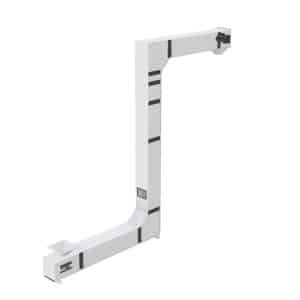
- Chain Conveyor
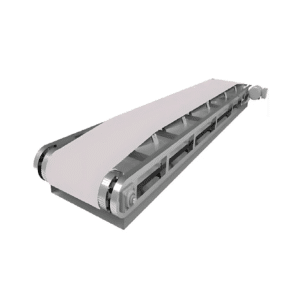
- Grain & Seed Belt Conveyor Systems
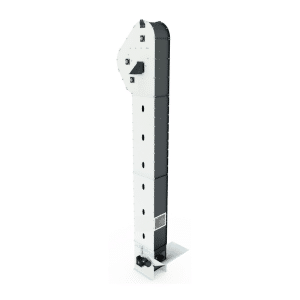
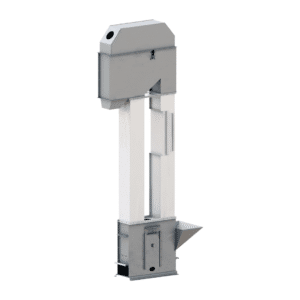
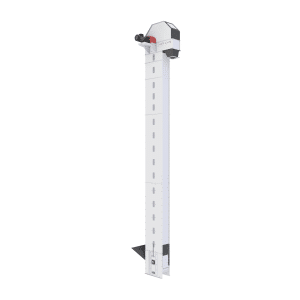
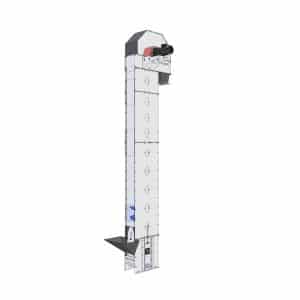
- Grain Bucket Elevator for Seeds & Cereals
- Semi Automated Weighing & Bagging Scales – 5 to 50 Kg
Share your product sample, target capacity, quality requirements and existing line layout. Request your custom quote from ADDAMS to evaluate equipment selection and process connections.
Reviews
There are no reviews yet.