


Easy Dump Bucket Elevator for Controlled Product Handling
The ADDAMS Easy Dump Bucket Elevator is intended for vertical transfer where controlled handling and discharge are important. It can be considered for suitable seed, grain and other bulk products that need careful movement between processing stages. The elevator should be selected around the actual material, lift height, throughput and connection to the receiving equipment.
Fragile products require more than a nominal capacity figure. Feeding conditions, bucket loading, operating speed and the discharge path all influence product quality. Discuss your acceptable breakage level, coating condition and cleaning requirements with ADDAMS so the proposed configuration addresses the process as a whole.
How the Elevator Fits into Your Process
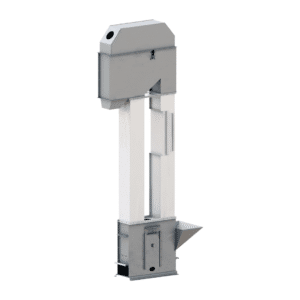
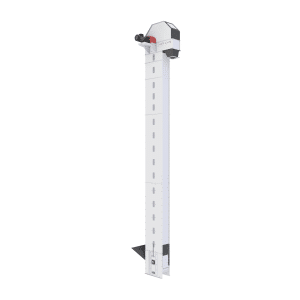
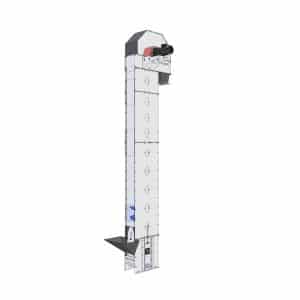
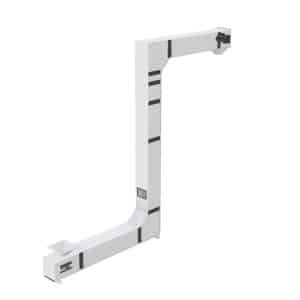
A bucket elevator receives material at a lower level, carries it upward in buckets and releases it at the discharge point. In an Easy Dump application, the handling arrangement is selected with controlled release in mind. The exact bucket geometry, carrying system and discharge mechanism should be confirmed in the equipment proposal and drawing.
The inlet and outlet are important parts of this arrangement. A feed stream that exceeds the elevator’s receiving capacity can cause accumulation, while an unsuitable discharge connection can create unnecessary impact or obstruct flow. Review the upstream feeder and downstream hopper together with the elevator before finalising the layout.
Controlled Feeding
The material should enter at a rate matched to the conveying duty. Identify whether the supply is steady, intermittent or batch based, and how it will be regulated. Product surges, inconsistent loading and changes in bulk density should be considered when assessing the required throughput and drive arrangement.
Discharge and Product Transfer
The discharge needs to deliver material into the next machine without creating a bottleneck. Include the receiving height, available clearance and proposed chute in the layout. For sensitive seed or coated products, review the complete transfer path, including any drop after the material leaves the elevator.
Components and Specification Review
This table gives the main items to discuss during selection. It describes their role and the information needed for a project specification. Dimensions, power, throughput and construction materials must be confirmed for the selected configuration.
| Component | Role in the elevator | What to confirm |
|---|---|---|
| Inlet and lower section | Receives the material and provides access to the feeding area. | Feed rate, connection dimensions and access for inspection and cleaning. |
| Buckets | Carry material through the lifting section. | Product suitability, bucket size, filling behaviour and material compatibility. |
| Bucket carrying system | Moves the buckets through the elevator. | Selected arrangement, operating duty, adjustment and service requirements. |
| Drive assembly | Provides the movement needed for elevation. | Lift height, loading, speed selection and power supply. |
| Upper discharge section | Releases material toward the receiving equipment. | Discharge path, chute connection, clearance and product impact. |
| Housing and access points | Encloses the conveying route and supports inspection. | Installation space, construction materials and maintenance access. |
| Controls and monitoring | Coordinates operation with the surrounding line. | Interlocks, stop conditions and any required monitoring devices. |
Applications for Seed, Grain and Sensitive Products
Potential duties include lifting seed between processing stages, feeding a packing hopper and transferring suitable finished products to another level. Each application needs assessment. Whole grain, small seed, treated seed and polished pulses differ in flow behaviour and sensitivity, so a configuration suitable for one product may need adjustment for another.
For treated or coated seed, discuss whether the coating is fully dry before conveying. Surface condition can influence sticking, carryover and cleaning needs. The handling requirement should include the condition of the product entering the elevator and the quality expected at discharge, rather than assuming that all coated materials behave alike.
For sowing seed, define any breakage and germination acceptance criteria before equipment selection. Gentle handling is a design objective, not a universal guarantee of zero damage. A representative material sample or trial may be appropriate when the product is especially sensitive or the required quality standard is demanding.
Capacity, Lift Height and Layout
Throughput should be stated with the material and its bulk density. The same mass flow can represent different volumes for different products. Include normal production, peak demand and operating hours when requesting a quotation. These details help assess the conveying duty and the interfaces with the rest of the line.
Provide the inlet and outlet elevations, available footprint and clearances around the installation. Plan access for service work as well as the space needed by the equipment itself. Supports, surrounding structures and connections to other machines should be reviewed in the installation drawing.
Where several products use the same elevator, identify the expected range and changeover frequency. Where batch handling is required, explain how the feed and receiving equipment will operate. The system needs a coordinated sequence so the elevator is ready before product enters and the destination can accept the discharge.
Cleaning, Inspection and Product Changeovers
Product carryover must be managed through access, operating procedures and cleaning checks. Review locations where material may remain, including the lower section, buckets and discharge area. The required level of cleaning depends on the products and the consequences of mixing varieties, recipes or treatments.
An enclosed housing does not automatically establish an allergen-safe or contamination-free process. Define your cleaning method and verification requirements during specification. Confirm access arrangements and suitable construction materials for the application, including any hygiene requirements that must be documented for the supplied equipment.
Routine inspection should cover the drive, carrying system, buckets, connections and any monitoring devices included in the configuration. Service intervals depend on duty and material conditions. Follow the supplied operating instructions and plan maintenance access before the elevator is installed.
Choosing the Right Conveying Equipment
Compare the Easy Dump arrangement with other conveying options using product sensitivity, lift height, throughput, cleaning access and plant space. A production line may need different equipment for different transfers. The best choice is the arrangement that fits the duty and the surrounding process.
Browse the ADDAMS grain and seed processing machine range to review the surrounding equipment. Contact ADDAMS with a layout and material details for an elevator proposal matched to your plant.
Frequently Asked Questions
What is an Easy Dump Bucket Elevator used for?
It is considered for vertical transfers where controlled handling and discharge matter. Suitable applications depend on the product, throughput and layout. Confirm the proposed bucket and discharge arrangement for your specific duty.
Can it handle fragile or coated seed?
These materials can be assessed, but suitability is not automatic. Share the coating condition, sensitivity and acceptable damage criteria. A sample or handling trial may be needed before the configuration is confirmed.
What capacity and lift height are available?
These values must be established for the project. Provide the material, bulk density, required throughput and elevation difference. Ask for confirmed dimensions and operating values in the equipment proposal.
Does it eliminate carryover between products?
Carryover depends on product behaviour, access and cleaning procedures. Agree the required changeover method and verification criteria. An elevator design alone cannot guarantee that every product change will be free of residual material.
Which monitoring devices are included?
Monitoring and interlocks must be confirmed within the supplied scope. Discuss the stop conditions, integration with the upstream feeder and receiving equipment, and any sensors required by your plant specification.
What is needed to request a quotation?
Send the product, bulk density, moisture or coating condition, throughput, inlet and outlet elevations, and available space. Add operating hours, cleaning requirements and quality criteria so the proposal can address the complete transfer.
Reviews
There are no reviews yet.