

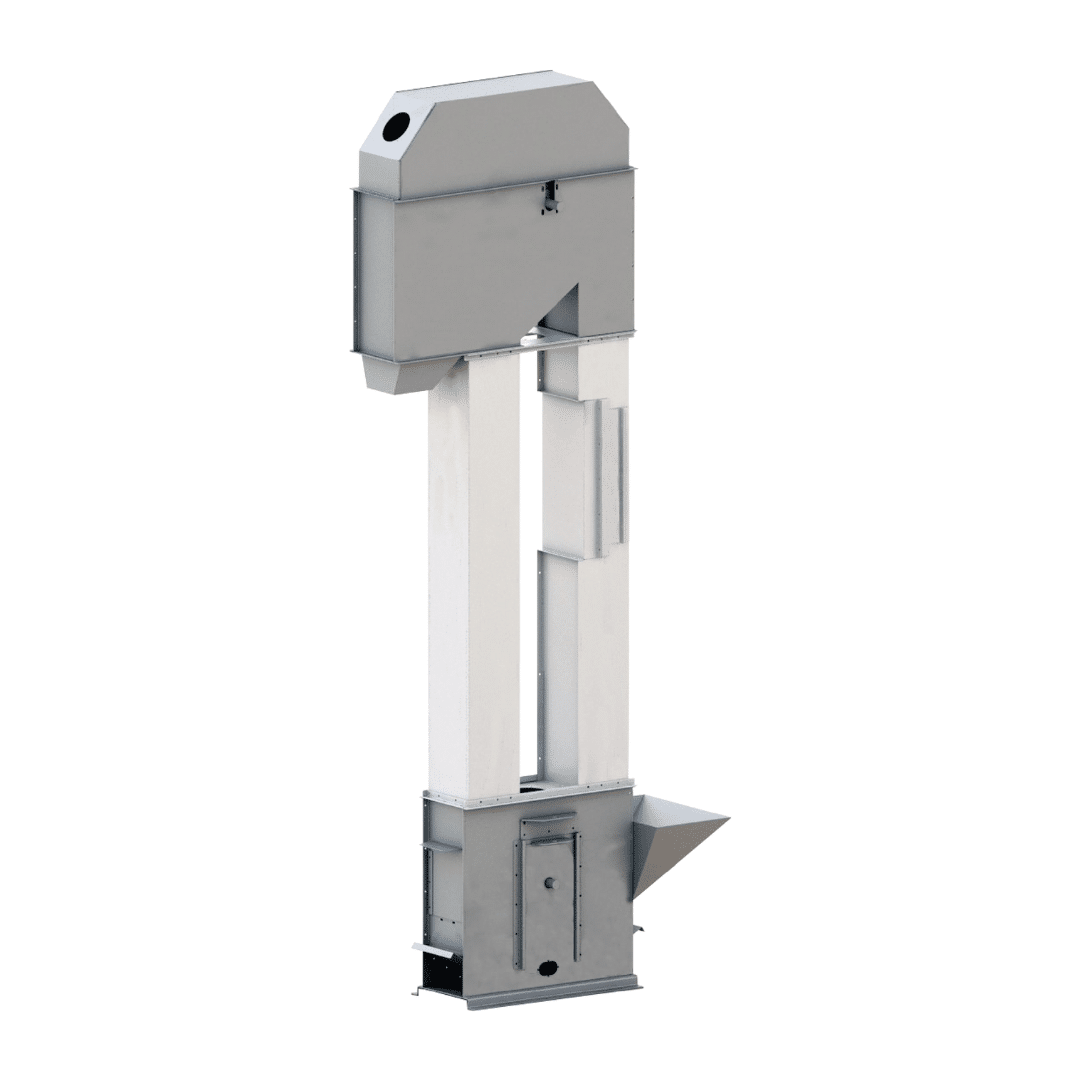
Continuous Cup Elevation for Controlled Product Transfer
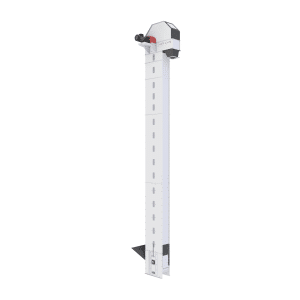
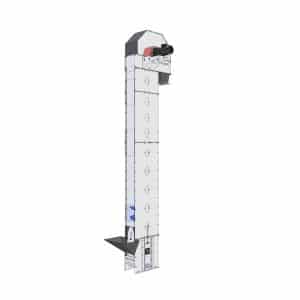
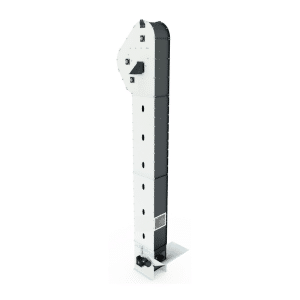
ADDAMS Continuous Cup Bucket Elevators are conveying systems intended for applications where closely arranged cups and controlled discharge are considered in the handling design. The distinguishing feature is the cup arrangement at loading and the selected tipping mechanism, rather than simply a bucket carrier running in a closed loop. The configuration must be confirmed for the proposed model and material.
Loading and discharge arrangement
Overlapping cups at the intake are intended to reduce gaps through which material can fall into the casing. At discharge, the selected guiding or tipping arrangement directs the product towards the outlet. Cup geometry, carrier type, filling level and operating speed affect the result. An overlapping arrangement does not guarantee zero spillage or damage for every material.
Evaluate the material with a sample
Provide bulk density, moisture, particle size, flow behaviour and the required throughput. Fragile seeds, coated products and dusty materials require separate assessment. Compare the material before and after conveying for breakage, coating damage, residual material and recovery. Seed germination or health claims require appropriate testing and cannot be inferred from the conveying method.
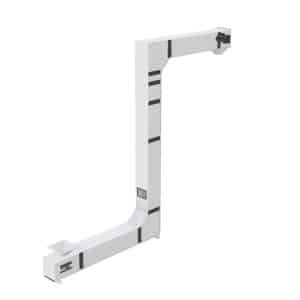
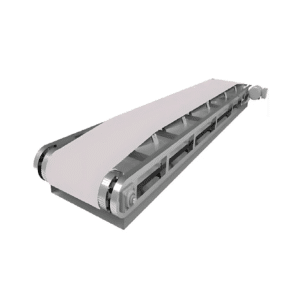
Capacity should be considered in both mass and volume terms. Cup size, speed, lift height, route and drive power are defined for the selected configuration. Multiple outlets or horizontal sections must be confirmed in the quotation; these features should not be assumed for every model.
Connections within a processing line
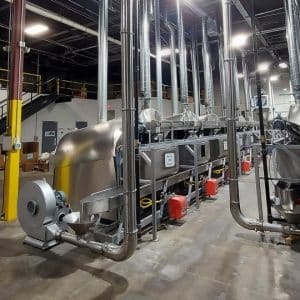
The elevator may be evaluated between cleaning and grading stages. Relevant equipment includes fine seed cleaners and super fine seed cleaners. Coordinate feed stability, outlet height, receiving-machine capacity and the start–stop sequence across the line.
For size classification, review the Optimum 220 screen grader, vibrotary screen graders and cylindrical screening seed graders. Conveying capacity and discharge conditions should match the chosen downstream equipment.
Maintenance and project requirements
Include cup transitions, the tipping mechanism, carrier alignment and wear parts in the maintenance plan. Assess access for removing retained material between product batches. Construction materials, monitoring sensors and any application-specific compliance documents must be confirmed for the supplied equipment. Certification, food-contact suitability or dust-related protection should be supported by the relevant model documentation.
Request a custom quote from ADDAMS with your material, target capacity, route and inlet–outlet requirements. The technical proposal defines dimensions, drive power, options and the scope of sample validation.
Reviews
There are no reviews yet.