

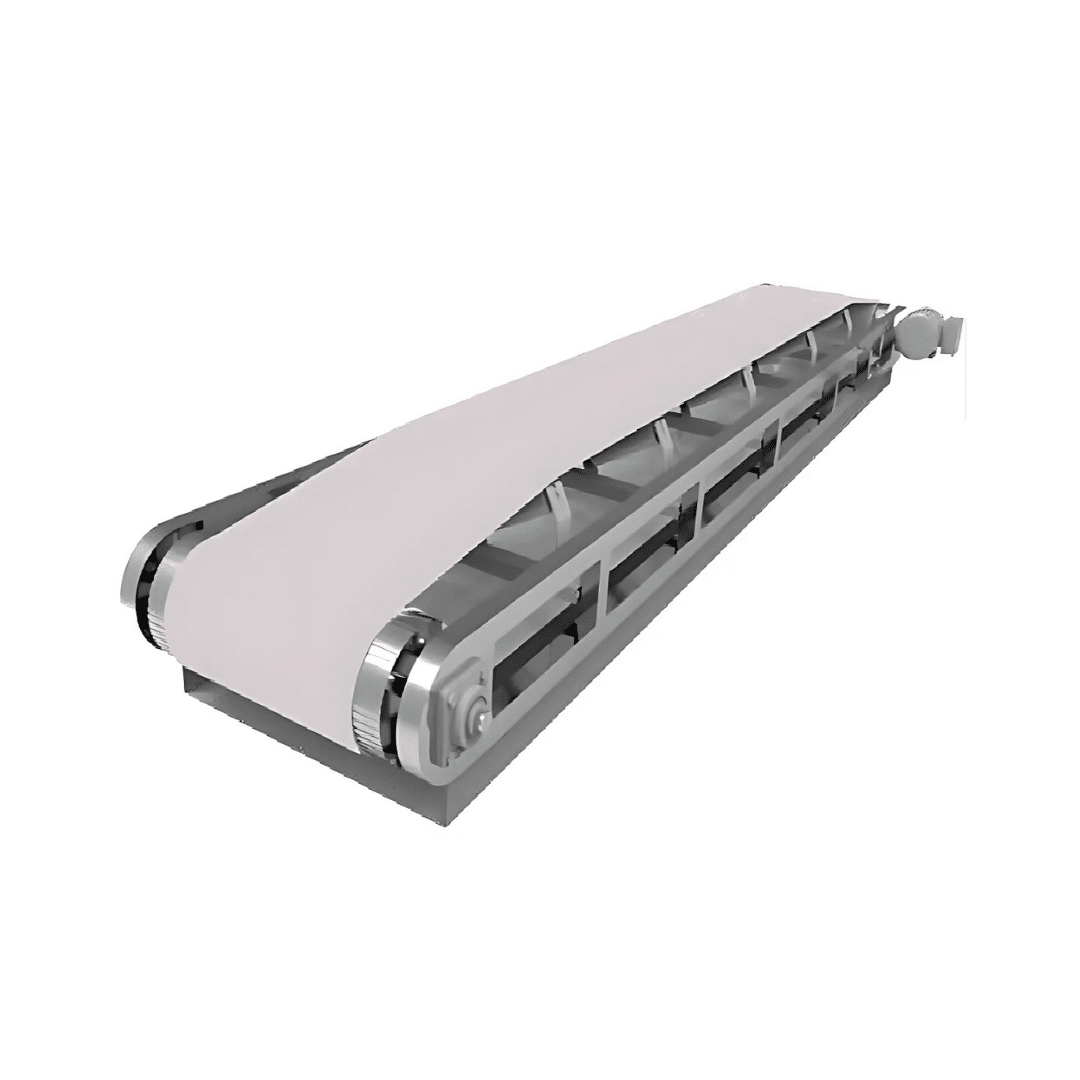
Grain and Seed Belt Conveyor Systems for Gentle Bulk Handling
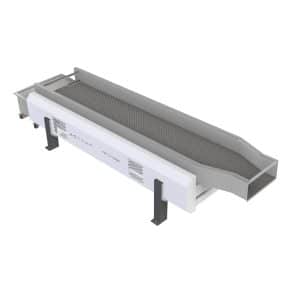
The ADDAMS grain and seed belt conveyor provides continuous horizontal or moderately inclined transport of seeds, grains, pulses, herbs and other free-flowing bulk materials. Its continuous carrying surface supports gentle movement with limited product agitation, making belt conveying suitable for crops that can be damaged by aggressive handling.
Belt conveyors can connect reception pits, cleaning machines, storage bins, dryers, processing equipment and packing systems. Each unit is engineered according to the product, required capacity, conveying distance, elevation change, plant layout and hygiene requirements.
How a Belt Conveyor Works
An endless belt runs around a drive pulley and a return pulley. The upper carrying strand is supported by rollers, a slider bed or a combination of both. Product is loaded through a controlled inlet, carried along the conveyor and discharged as the belt passes around the head pulley.
The drive unit supplies the torque required to move the loaded belt. A tensioning arrangement keeps the belt aligned and provides the traction needed at the drive pulley. Correct loading, belt tracking and tension are essential for reliable operation and long component life.
Typical Applications
- Seed processing plants: gentle transfer between cleaners, gravity separators, color sorters, treaters and packing equipment.
- Grain handling: movement between intake, storage, cleaning and loading points.
- Pulse processing: transport of lentils, chickpeas, peas, beans and faba beans.
- Oilseeds: handling of sunflower, sesame, rapeseed and similar products.
- Herbs and spices: transfer of suitable dry products where gentle movement and cleanability are important.
- Food-processing lines: controlled conveying of selected granular ingredients and finished products.
- Bagging and storage systems: feeding bins, weighing equipment, silos and packing lines.
Available Belt Conveyor Configurations
Flat Belt Conveyor
A flat carrying surface is suitable for bags, boxes and selected bulk products at low inclination. Side guides or skirts can be added where required to control the product path.
Troughed Belt Conveyor
Angled carrying rollers form the belt into a trough, increasing cross-sectional area and helping contain bulk material. Troughed conveyors are widely used for longer distances and higher-capacity grain or seed handling.
Enclosed Belt Conveyor
A covered or fully enclosed casing reduces exposure to weather, dust and external contamination. Enclosures can be designed with inspection and cleaning access according to the installation environment.
Cleated or Profiled Belt Conveyor
Cleats or surface profiles help control product on inclined sections. Maximum practical inclination depends on particle shape, moisture, belt surface, cleat design and required capacity.
Mobile Belt Conveyor
A wheeled or repositionable conveyor can serve seasonal intake, warehouse loading, bag handling or temporary process connections. Stability, safe movement and electrical connections must be considered in the mobile design.
Main Design Features
| Feature | Engineering Purpose |
|---|---|
| Food- or product-compatible belt | Selected according to crop, temperature, hygiene and abrasion requirements |
| Drive pulley and geared motor | Provide controlled belt movement at the required operating speed |
| Carrying rollers or slider bed | Support the loaded belt and maintain the designed conveying profile |
| Return rollers | Support the unloaded return side of the belt |
| Tensioning system | Maintains suitable traction, alignment and belt stability |
| Inlet and skirt arrangement | Centres the product and limits uncontrolled spillage at loading points |
| Discharge chute | Directs material into the next machine, conveyor or storage point |
| Guards and safety devices | Protect personnel around rotating and trapping points |
Gentle Handling of Valuable Products
Seeds and pulses can crack, chip or lose germination quality when exposed to repeated impact. A correctly designed belt conveyor carries the product on a continuous surface and can reduce drop height between machines. Inlet and outlet geometry should guide the material smoothly rather than allowing uncontrolled free fall.
Gentle handling does not depend on the belt alone. Conveyor speed, loading direction, chute angle, discharge height and the behaviour of the receiving equipment all influence product damage. ADDAMS evaluates the complete transfer rather than selecting only the conveyor frame.
Capacity and Conveyor Selection
Conveyor capacity depends on belt width, belt speed, trough shape, loading depth, product bulk density and inclination. The same conveyor may carry different tonnes per hour for wheat, sunflower, herbs or pulses because their bulk densities and flow characteristics differ.
For accurate selection, customers should provide:
- Product or crop type
- Required hourly capacity
- Bulk density and moisture, when available
- Horizontal conveying distance
- Inlet and discharge elevations
- Required inclination or available installation space
- Number and position of loading and discharge points
- Indoor, outdoor, dusty or hygienic operating conditions
Motor power and belt speed are confirmed after the full conveyor geometry and operating conditions are known.
Inclined Conveying
As inclination increases, product may roll or slide backward and usable carrying capacity may decrease. Fine, round or smooth products behave differently from irregular particles. A profiled belt, cleats, sidewalls or a different conveyor type may be required when the slope is too steep for a standard belt.
ADDAMS checks the vertical lift, available length and product behaviour before confirming the conveyor angle. Where the required elevation cannot be reached safely by belt conveyor, a bucket elevator or another vertical conveying solution may be more appropriate.
Loading, Transfer and Discharge Design
A stable feed prevents local overloading and spillage. The inlet should place material near the centre of the belt and accelerate it in the conveying direction. Skirts can contain product in the loading zone but must be adjusted without creating excessive friction or trapping material.
At discharge, the chute should match the product trajectory and the position of the receiving equipment. Poorly designed transfer points can create dust, segregation, blockage and product damage even when the conveyor itself is correctly selected.
Dust and Hygiene Control
Dust control may require covers, sealed transitions and aspiration at loading or discharge points. The aspiration volume should be calculated as part of the complete plant system so that dust is controlled without removing excessive good product.
For hygiene-sensitive applications, the design can include suitable belt materials, accessible surfaces, removable covers and cleaning points. Requirements should be defined according to the processed product and the customer’s cleaning procedure.
Safety and Monitoring
Rotating pulleys, drive components and trapping points must be guarded. Depending on conveyor length and site standards, safety equipment can include emergency pull cords, belt-misalignment switches, zero-speed monitoring, blockage detection and local emergency stops.
Electrical interlocking should coordinate the conveyor with upstream and downstream machinery. A controlled starting and stopping sequence helps prevent product accumulation and blocked transfer points.
Maintenance Requirements
Routine inspection should cover belt tracking, tension, splice condition, pulley lagging, bearings, rollers, skirts, guards and drive components. Material buildup should be removed before it affects alignment or contaminates another crop.
A belt that repeatedly moves to one side should not simply be forced back into position. The loading point, frame alignment, pulley alignment, roller condition and tension should be checked to identify the actual cause.
Integration with ADDAMS Processing Lines
Belt conveyors can be integrated with reception hoppers, pre-cleaners, fine cleaners, de-stoners, gravity separators, indented cylinders, color sorters, dryers, silos and packing systems. Supporting steelwork, access, sensors and control logic can be coordinated within the overall plant layout.
Frequently Asked Questions
Is a belt conveyor suitable for sowing seed?
Yes. A correctly designed belt conveyor offers gentle transport and is commonly used for valuable seed. Drop heights and transfer points should also be designed to limit impact.
How is conveyor capacity calculated?
Capacity is calculated from the loaded belt cross-section, belt speed and product bulk density, then adjusted for inclination, feed conditions and the required operating margin.
Can a belt conveyor operate outdoors?
Yes, with a suitable structure, covers, corrosion protection, electrical protection and drainage considerations. Local wind, rain and temperature conditions should be included in the design.
Can one conveyor have several discharge points?
Multiple discharge arrangements are possible, but the design depends on the required routing and product characteristics. Fixed head discharge is simplest; intermediate discharge requires additional engineering.
When should a bucket elevator be used instead?
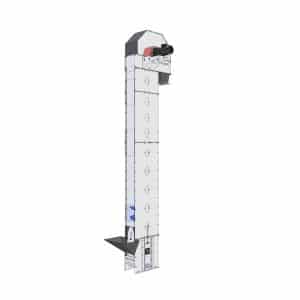
A bucket elevator is generally more suitable where significant vertical lift is required within limited floor space. A belt conveyor is better suited to horizontal or moderate-incline transport.
What causes belt misalignment?
Common causes include off-centre loading, uneven tension, misaligned pulleys or rollers, material buildup and structural distortion. The cause should be corrected before belt damage occurs.
Request a Belt Conveyor Proposal
Send ADDAMS your product, required capacity, conveying distance, inlet and outlet heights, operating environment and plant layout. Our engineering team can recommend the belt width, conveyor type, drive arrangement and transfer design for your application.
Related Equipment and Process Options
Compare transfer and weighing arrangements for the route, material and receiving equipment.
Share your product sample, target capacity, quality requirements and existing line layout. Request your custom quote from ADDAMS to evaluate equipment selection and process connections.
Reviews
There are no reviews yet.