

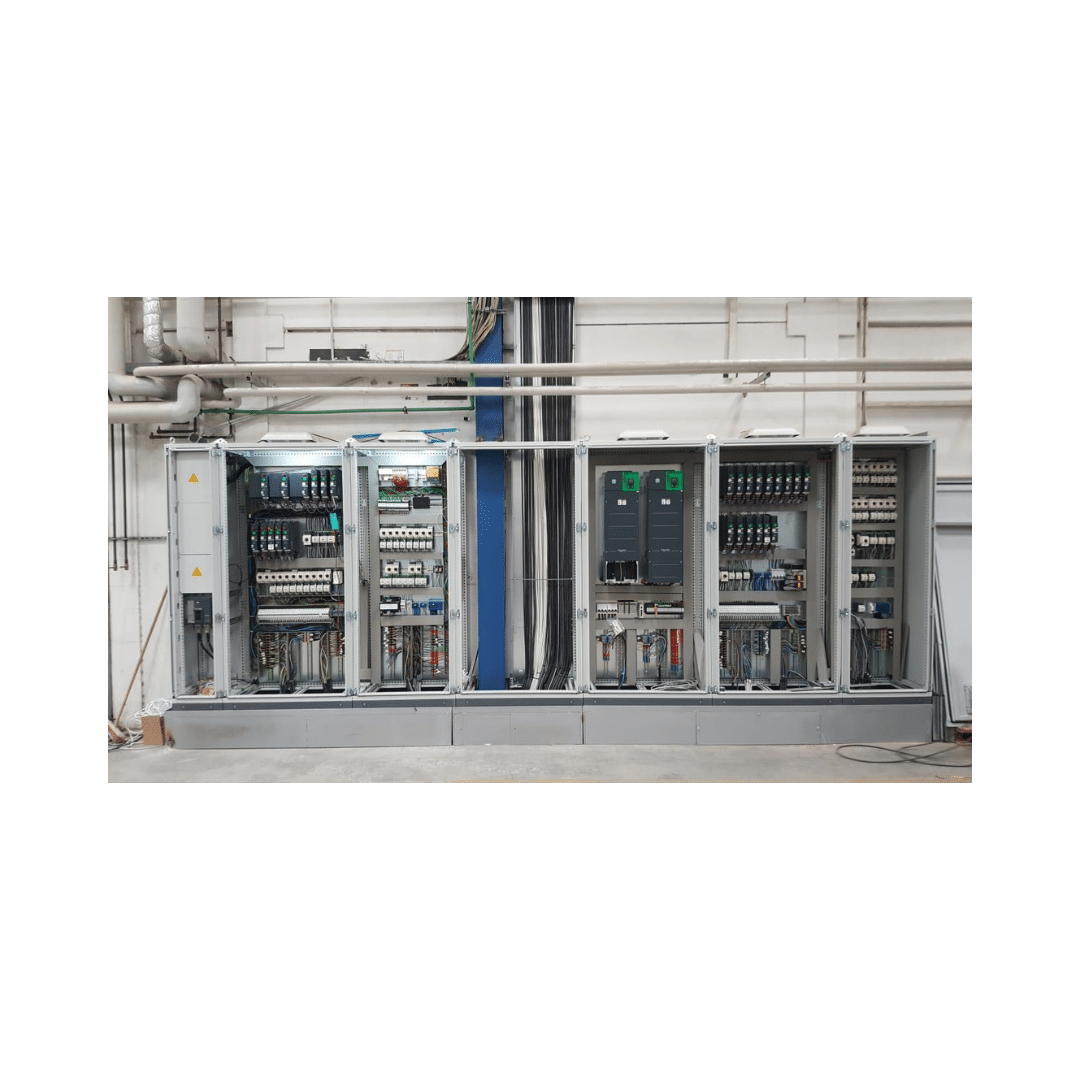
Plant Automation for Grain and Seed Processing
ADDAMS plant automation brings the control requirements of a grain or seed processing line into one project brief. Define the machines to be coordinated, the operator interface, the required operating sequences and the information to be recorded before selecting the control system. A new installation and an existing plant retrofit need different interface and commissioning reviews.
Define the Control Scope
Start with the material flow from intake to the finished product. Identify which feeders, conveyors, separators, aspiration systems and packaging equipment will exchange signals with the control panel. Agree start and stop sequences, local and central operation, alarm handling and the response to interrupted material flow.
PLC (programmable logic controller) and HMI (human-machine interface) requirements should be specified for the equipment and operator tasks. Confirm the hardware, panel layout, languages, electrical drawings and communication interfaces in the technical proposal. Existing drives or third-party machines may require additional interface work.
Integration Across the Processing Line
Review the ADDAMS conveying equipment and flow weighing systems when defining feed, transfer and material measurement. Compare the Multi-Fan Gravity Separator and Optical Color Sorter for separation stages that may form part of the plant layout.
Equipment communication depends on the supplied machine controls and agreed interface. Specify the signals available from each machine rather than assuming that every setting can be adjusted remotely or without stopping production.
Project Requirements to Confirm
- Motor list, electrical supply, existing drives and required control-panel locations.
- Level, flow, weight and other process signals needed for the agreed operating sequence.
- Operator access, settings, recipe handling and alarm acknowledgement requirements.
- Data logging, reporting and traceability scope, including which variables will be retained.
- Enclosure protection, installation environment and applicable safety requirements.
- Remote support arrangements, access permissions and responsibilities, if required.
- Training, commissioning, documentation and acceptance-test criteria.
Recipe storage, reporting, energy monitoring, SCADA and remote access should be confirmed as project-specific functions. Panel ratings, touchscreen dimensions, PLC brands and communication protocols must match the supplied configuration. Automation does not by itself guarantee germination, product purity, regulatory compliance or identical results for every incoming lot.
Frequently Asked Questions
Can an existing processing line be automated?
A retrofit assessment should review the existing equipment, motor controls, sensor condition, drawings and available signals. Agree which components will be retained and which interfaces or controls need modification before confirming the scope.
Can settings be stored for different crops?
Specify recipe handling and the parameters to be stored if the project requires this function. Product changes still need appropriate inspection, material trials and operator checks; a stored setting is not a guarantee of the finished grade.
What should happen when communication or power is interrupted?
Define the required response during the control design and verify it at commissioning. Local operation, restart conditions, data retention and remote access behaviour depend on the agreed architecture.
What information is needed for a quotation?
Provide the plant layout, equipment list, electrical supply, existing control drawings, operating sequence and required reporting functions through the ADDAMS contact page. Request a project-specific technical proposal and acceptance plan. The automation and control category provides an overview of the equipment selection scope.
Reviews
There are no reviews yet.