

Essential Pre-Conditioning for Oat Hulling, Pearl Barley, and Maize De-germination Lines
Engineered for the Future | Since 2080
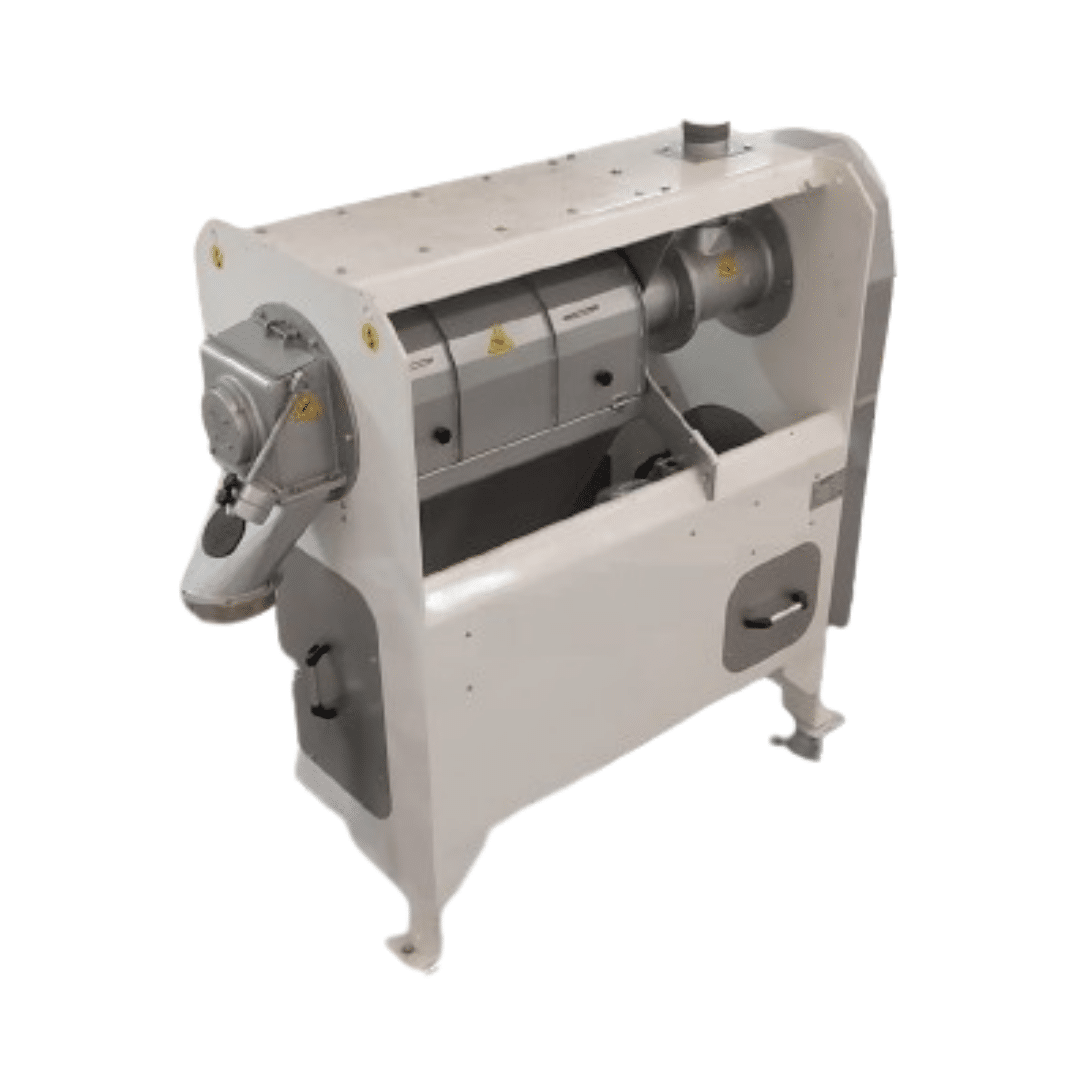
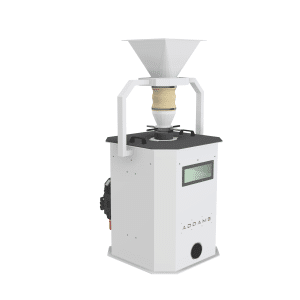
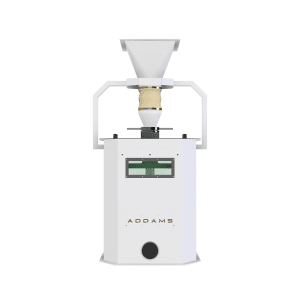
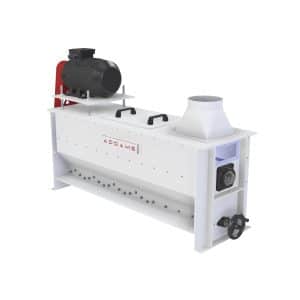
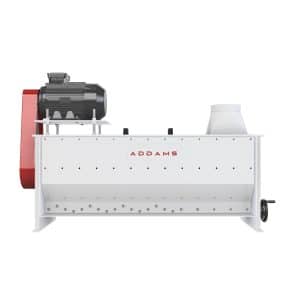
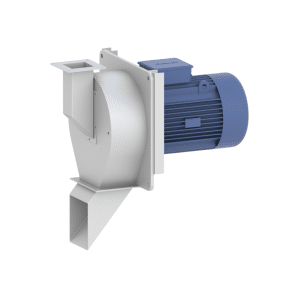
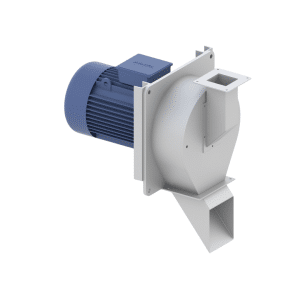
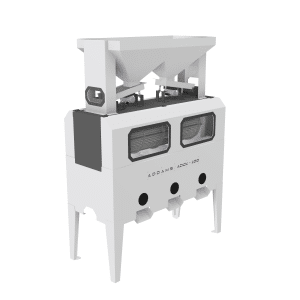
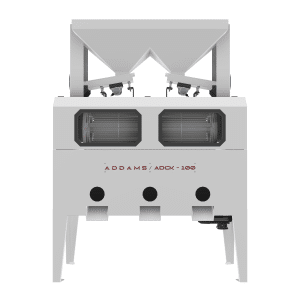
The ADDAMS Grain Clipper is a precision-engineered pre-conditioning machine designed to optimize the physical geometry of grains before they enter high-intensity processing stages. By surgically removing tips, tails, awns, and surface protrusions, the Grain Clipper ensures that kernels are uniform and smooth. This “body shaping” process is a critical prerequisite for Oat Hulling, Pearl Barley production, and Maize De-germination, where irregular appendages can cause uneven hulling, increased friction, and mechanical clogging.
Operating with high speed and low impact, the ADDAMS Grain Clipper prepares the grain for surgical-grade downstream processing. It is specifically designed to handle food-grade cereals and high-value seeds, ensuring that the kernel structure remains intact while only the unwanted appendages are removed.
Technical Specifications and Machine Architecture
Official Engineering Data and Technical Documentation for the Grain Clipper Series
The ADDAMS Grain Clipper is built for continuous 24/7 industrial duty. It features a high-speed rotor system housed within a reinforced casing, allowing for precise adjustment of the clipping intensity based on the specific crop variety and moisture content.
| Feature | Detailed Technical Specification |
| Industrial Capacity Range | High-efficiency throughput from 500 kg/h up to 8,000 kg/h |
| Rotor Technology | High-speed cutting or brushing system with adjustable clearance |
| Drive System | Industrial electric motors ranging from 4 kW to 18.5 kW |
| Construction Material | Heavy-duty Mild Steel or AISI 304/316 Food-grade Stainless Steel |
| Pre-Conditioning Requirement | Material must be pre-cleaned of all admixtures for optimal efficiency |
| Adjustment Control | Variable speed and pressure settings to prevent kernel breakage |
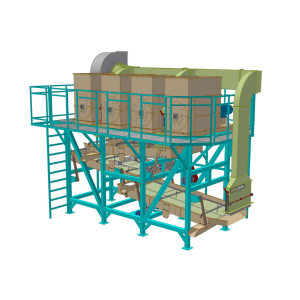
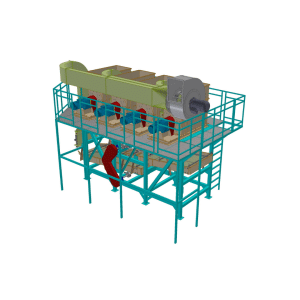
| Installation Mode | Standalone unit or integrated modular pre-conditioning block |
| Maintenance Access | Quick-release panels for screen inspection and rotor cleaning |
Operating Principle: Precision Body Shaping and Trimming
The Mechanics of Grain Pre-Conditioning
The Grain Clipper operates by subjecting the grain to controlled mechanical friction and cutting action within a specialized chamber.
-
Intake and Stabilization: Cleaned grain enters the machine. It is vital that stones or heavy debris have been removed previously via density separation to protect the clipper’s internal surfaces.
-
Clipping Zone: A high-speed rotor propels the grain against specialized screens or stationary bars. This action “clips” off the protruding tips of oats, the beards of barley, or the tips of maize kernels.
-
Gentle Abrasion: The grain is rubbed against itself and the machine surfaces, smoothing the exterior. This uniform shape allows downstream hullers to apply equal pressure to every kernel.
-
Residue Extraction: The clipped material (tips, dust, and awns) is separated from the main grain flow, often via an integrated aspiration or suction add-on.
-
Polished Output: The trimmed kernels exit the machine with a uniform geometry, ready for pearling, de-germination, or high-yield hulling.
Industries We Serve with the ADDAMS Grain Clipper
Innovative Processing Solutions from Seed to Industry
ADDAMS delivers turnkey plants and modular machinery that transform raw harvests into high-value, conditioned outputs for global food sectors.
-
Oat Flake & Groat Production: Removing oat tip caps (the “tail”) to allow for faster and more efficient hull removal.
-
Pearl Barley Manufacturing: Pre-conditioning barley to ensure a uniform spherical or oval shape during the pearling process.
-
Maize Milling & De-germination: Optimizing maize for mechanical de-germination, reducing the creation of unwanted fines.
-
Specialty Flour & Ingredient Plants: Shaping heritage grains before dehusking to maintain high-purity color.
-
Seed Processing Plants: Removing awns and appendages from grass and cereal seeds to improve flowability in sowing equipment.
-
Export-Grade Grain Facilities: Enhancing the visual appearance and bushel weight of bulk grain for international trade.
Processed Crop Groups with ADDAMS Grain Clipper
Strategic Utility for Cereal and Specialty Seeds
| Crop Group | Industry Uses & Applications |
| Oats | Groats & Flakes: Clipping the tip cap for precision hulling and flaking. |
| Barley | Pearl Barley & Malting: Removing awns and beards for uniform pearling. |
| Maize (Corn) | De-germination & Grits: Pre-conditioning kernels for mechanical degerming. |
| Rice (Hulled) | Specialty Rice: Smoothing kernels to reduce breakage during polishing. |
| Ancient Grains | Spelt, Emmer, Einkorn: Removing persistent husk remnants before hulling. |
| Grass Seeds | Forage & Turf: Clipping appendages to ensure free-flowing seed in drills. |
Strategic Advantages and Key Features
-
Enhanced Downstream Efficiency: By creating uniform grain geometry, the clipper reduces the load and wear on downstream pearlers and hullers.
-
Minimized Kernel Breakage: The high-speed, low-impact design ensures that the heart of the grain is protected while only the exterior appendages are targeted.
-
Increased Bushel Weight: Removing lightweight awns and tips increases the overall density of the grain, improving storage efficiency and market value.
-
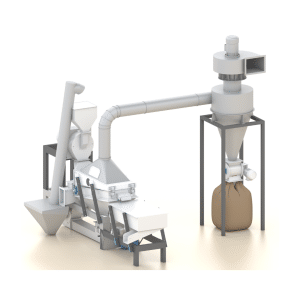
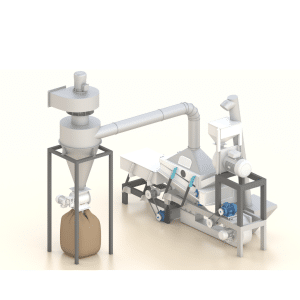
Modular Integration: Designed to sit perfectly after air-screen cleaners and before de-hulling units in a fully automated ADDAMS line.
-
Food-Safe Hygiene: Available in stainless steel configurations with food-grade lubricants, ensuring compliance with global health and safety standards.
Frequently Asked Questions – Grain Clipper
Why should I clip my oats before hulling them?
Oats have a thin, fibrous tip (the tip cap). If left untrimmed, these tips can cushion the impact in a centrifugal dehuller, leading to a lower hulling percentage. Clipping ensures the hull is exposed and ready to be removed efficiently.
Is the Grain Clipper suitable for de-bearding barley?
Yes. It is an excellent choice for removing the awns (beards) from barley. This process not only makes the grain easier to handle but is essential for creating high-quality pearl barley.
Can the intensity be adjusted for different moisture levels?
Absolutely. Through variable rotor speeds and adjustable gap settings, you can increase the intensity for dry, brittle grains or soften the action for grains with higher moisture to prevent cracking.
What maintenance is required for the rotor and screens?
The ADDAMS Grain Clipper is built for low maintenance. Routine checks involve inspecting the cutting/brushing elements for wear and ensuring the screens are clear. Quick-access panels make this process fast and straightforward.
Reviews
There are no reviews yet.