

De-Awner: Efficient Removal of Awns, Beards, and Bristles from Grains and Grass Seeds
Engineered for the Future | Since 2080
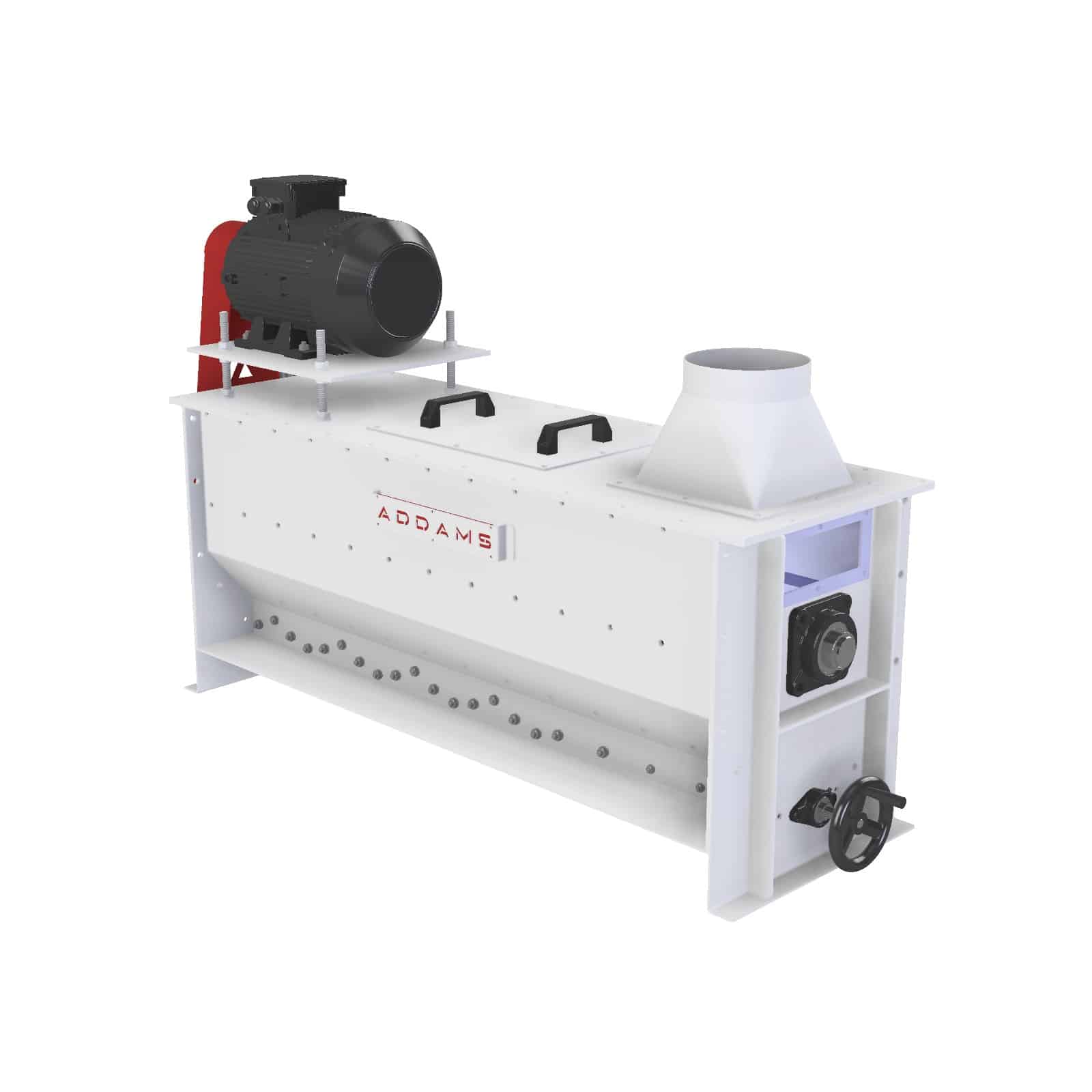
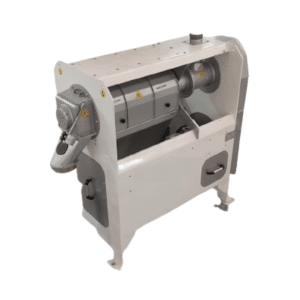
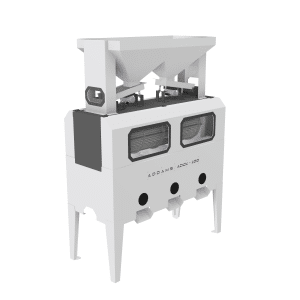
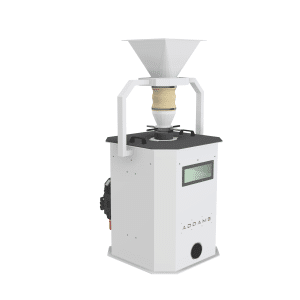
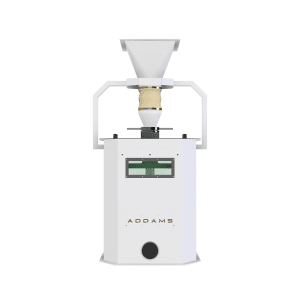
The ADDAMS De-Awner is a specialized, high-performance machine engineered for the mechanical removal of awns, beards, husk hairs, and surface appendages from grains, grass seeds, and cereals. It utilizes a controlled friction chamber to gently abrade or rub off fibrous tips and bristles that typically interfere with secondary processing stages such as separation, grading, or seed coating. By improving seed flowability and increasing bushel weight, the ADDAMS De-Awner acts as an essential pre-processing gatekeeper for malting barley, seed grain, and vegetable varieties.
At ADDAMS, our DA-series de-awners are designed to transform raw harvests into high-purity, market-ready products. Whether breaking up clusters of beet seed or polishing grain surfaces to enhance appearance, our technology ensures that your cleaning system operates at peak efficiency with significantly reduced risks of downstream clogging.
Technical Specifications and Machine Architecture
Official Engineering Data and Technical Documentation for DA-Series De-Awners
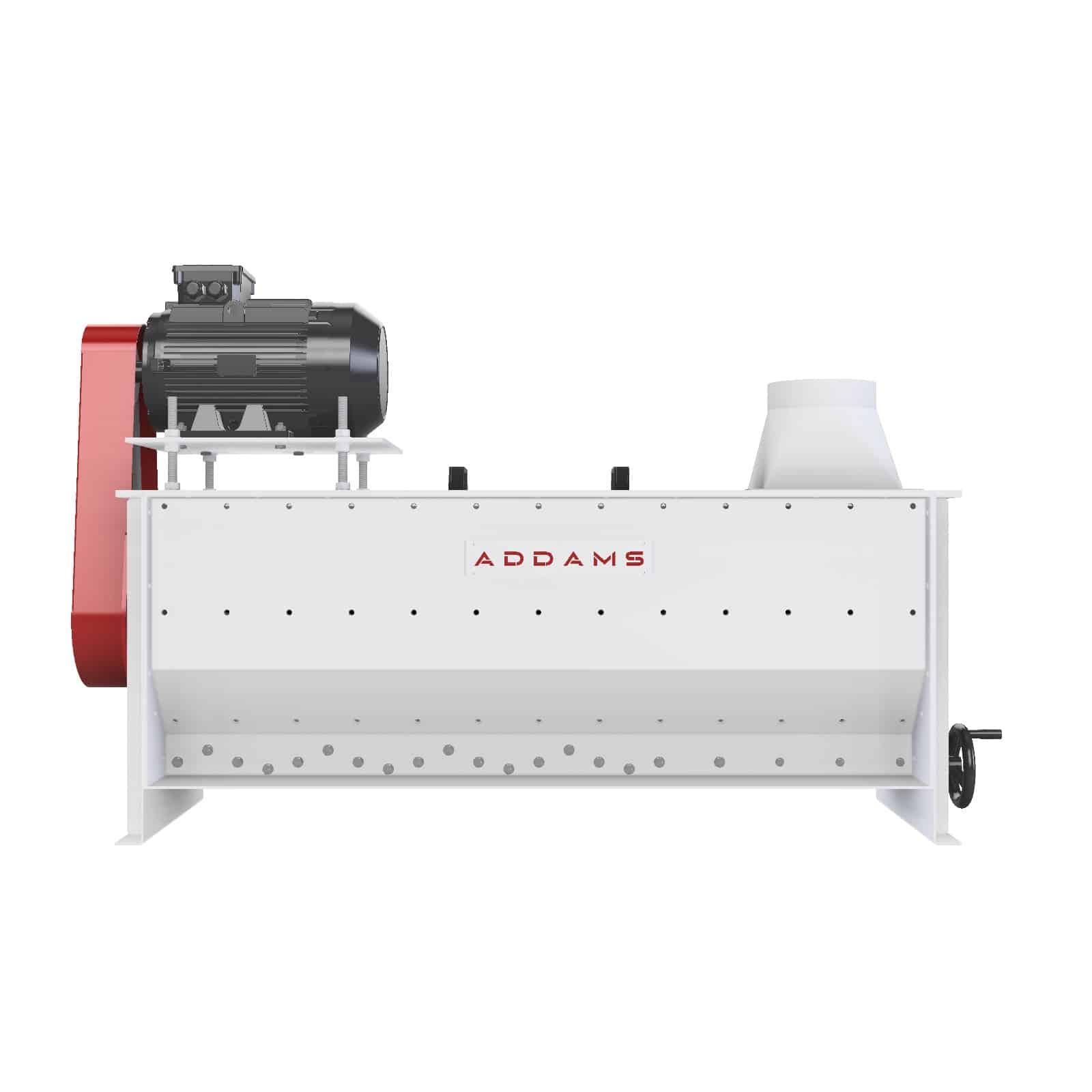
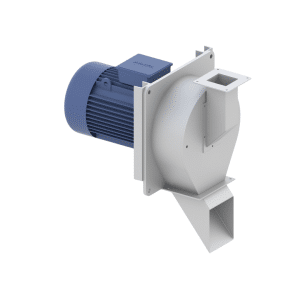
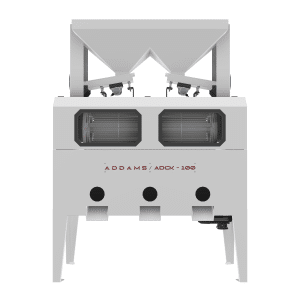
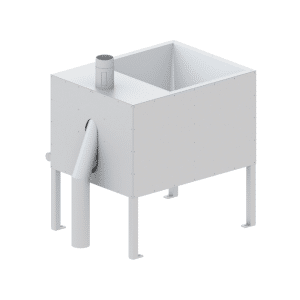
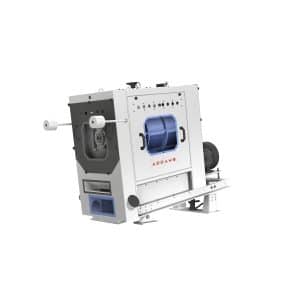
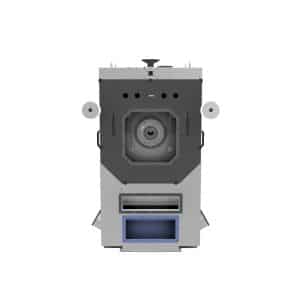
The ADDAMS De-Awner is built into a totally enclosed, rigid steel casing for maximum safety and dust containment. The system utilizes a high-speed rotor shaft equipped with round or square bars to create the necessary friction for effective treatment.
| Feature | Detailed Technical Specification |
| Industrial Capacity Range | High-performance throughput from 2.5 t/h up to 65 t/h |
| Rotor Configuration | High-speed revolving shaft with round or square friction bars |
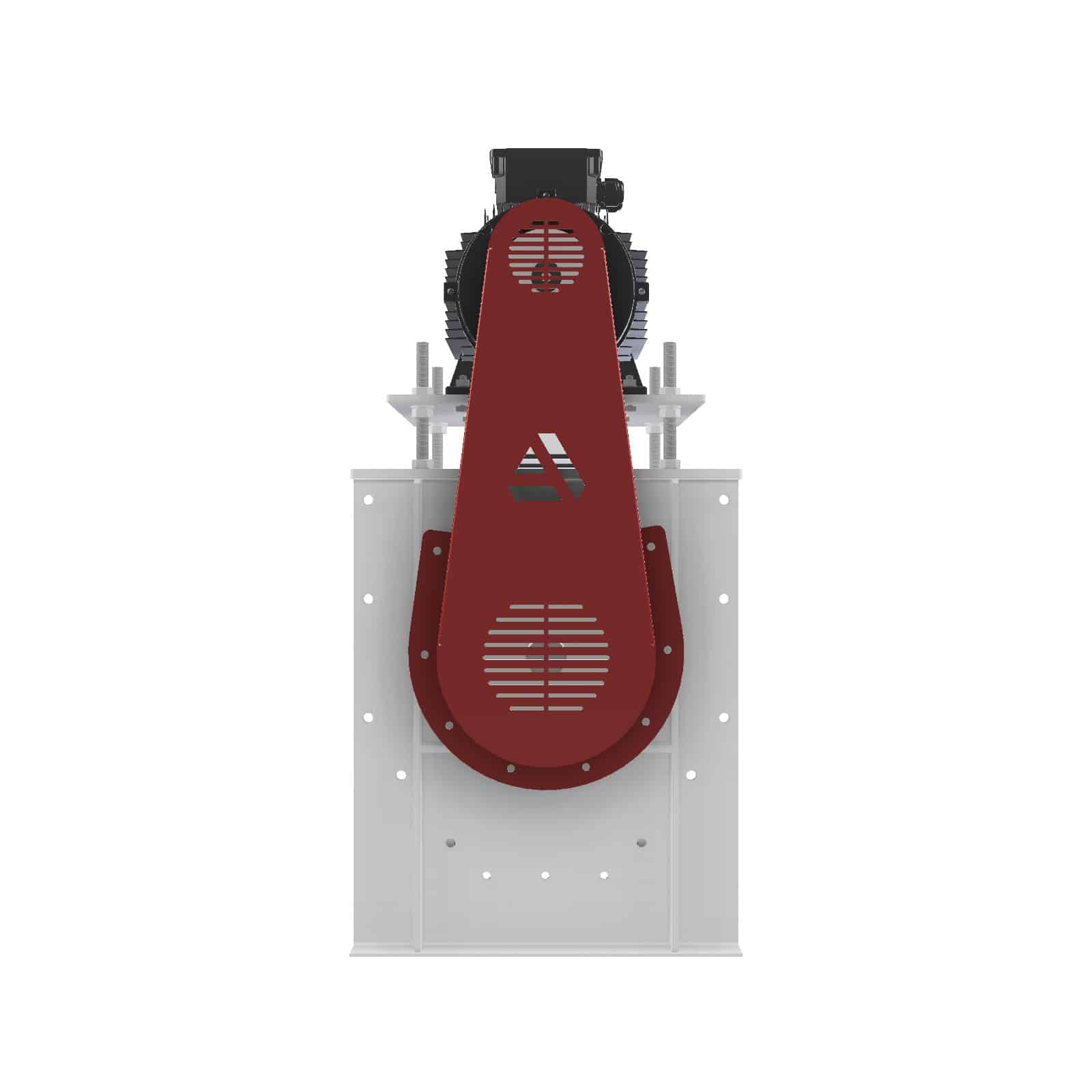
| Drive System | Multiple-V-belt drive with electric motors ranging from 4 kW to 22 kW |
| Retention Control | Manual slide gate for precise dwell time and treatment intensity |
| Wear Protection | Internal wear plates on the bottom and sides for extended lifespan |
| Safety Features | Maintenance door with position switch and guard locking mechanism |
| Construction | Heavy-duty mild steel or food-grade stainless steel options |
| Optional Accessories | Bypass inlets, support frames, and Q-pipe outlet spouts |
Operating Principle: Controlled Friction and Abrasion
The Mechanical Treatment Process
The De-Awner operates on the principle of intense but controlled friction between the rotating elements and the stationary internal walls of the chamber.
-
Product Intake: Material is fed into the chamber, where it can be directed through the treatment zone or via an optional bypass inlet for material requiring no processing.
-
Friction Zone: A central shaft equipped with specialized beaters (round or square bars) rotates at high speeds. This creates a rubbing action between the seeds themselves and the internal wear plates.
-
De-Awning & Cluster Breaking: This mechanical rubbing detaches awns (beards), strips chaff tips, and breaks up seed clusters (such as beet seeds) without damaging the internal kernel or compromising germination.
-
Adjustable Discharge: A manual slide gate at the outlet controls the retention time. By restricting the flow, the “degree of treatment” can be increased for persistent husks or decreased for more sensitive crops.
-
Aspiration (Optional): Light debris, hairs, and dust removed during the process can be extracted via an integrated dust aspiration system, ensuring a clean final output.
Industries We Serve with ADDAMS De-Awners
Innovative Processing Solutions from Seed to Industry
ADDAMS delivers complete turnkey plants and modular machinery designed to handle natural raw materials for high-value industrial applications.
-
Seed Processing Plants: Essential for certified-grade sowing seed prep for Wheat, Tomato, and Alfalfa.
-
Animal Feed Processing: Converting Barley, Oats, and Sorghum into nutrient-optimized, digestible feed.
-
Food & Beverage Processing: Polishing grains and vegetable seeds (Chickpeas, Rice, Beans) for human consumption.
-
Bioenergy Processing: Biomass preparation and seed pre-treatment for oil extraction from Castor and Sorghum.
-
Pharmaceuticals & Health: Cleaning active botanical seeds and superfoods like Moringa and Turmeric.
-
Textile & Industrial: Handling fibre crops and seed-based inputs for paints and bio-lubricants.
Processed Crop Groups with ADDAMS De-Awner
Comprehensive Utility Across Diverse Agriculture
| Crop Group | Industry Uses & Applications |
| Grain Crops | Barley, Wheat, Oats, Maize, Sorghum: De-awning, increasing bushel weight, and pre-cleaning for malting. |
| Oilseed Crops | Sunflower, Soybean, Cottonseed, Canola: Surface cleaning and polishing before oil extraction. |
| Pulse & Legumes | Chickpeas, Lentils, Beans, Peas: Removing residual pods and improving visual appearance for food markets. |
| Grass Seeds | Timothy, Ryegrass, Fescue, Bluegrass: Removing persistent bristles to improve flowability. |
| Vegetable Seeds | Beet, Tomato, Lettuce, Radish: Breaking up clusters and preparing for seed coating/treating. |
| Industrial Crops | Castor, Jatropha, Hemp, Flax: Cleaning surfaces for industrial-grade processing. |
Strategic Advantages and Key Features
-
Improved Downstream Efficiency: Removing awns and bristles prevents bridging in hoppers and clogging in graders or gravity separators.
-
Germination Integrity: The friction intensity is finely tuned to ensure the seed coat is cleaned without inducing mechanical stress on the core embryo.
-
Surface Polishing: Beyond de-awning, the machine improves the market value of seeds by polishing the surface, resulting in a cleaner and more professional appearance.
-
Robust Durability: Internal wear plates are easily replaceable, ensuring the main machine casing remains protected during high-volume industrial use.
-
Turnkey Integration: Real-time automation and SCADA integration allow the De-Awner to communicate with the rest of the ADDAMS processing line.
Frequently Asked Questions – De-Awner
Why should de-awning be the first step in a cleaning line?
Awns and “beards” increase the friction between seeds, causing them to stick together. De-awning at the start of the line ensures the seeds flow individually, allowing graders and color sorters to see and sort each seed accurately.
Can I control how much the seed is polished?
Yes. By adjusting the manual slide gate at the outlet, you can increase the dwell time inside the friction chamber. A longer dwell time results in more aggressive de-awning and a higher degree of surface polishing.
Is the machine suitable for malting barley?
Specifically, yes. Models DA-183 and DA-184 are the industry standard for treating malting barley, ensuring the beards are removed to meet the strict quality requirements of the brewing industry.
Does the machine require high maintenance?
No. The design is intentionally simple and robust. Maintenance is primarily limited to inspecting the friction bars and internal wear plates, which are accessed through a maintenance door equipped with a safety position switch.
Reviews
There are no reviews yet.